Book an Appointment
Book a Callback
Uterine Fibroids Treatment in Chennai
What is Uterine Fibroids? Uterine fibroids are non-cancerous growths of muscle and fibrous tissue in or on the wall of the womb (uterus). They are common in women of reproductive age, particularly in their 30s and 40s, and range from tiny seedlings to large masses that enlarge the womb. At Iswarya Hospital, OMR Chennai, our Gynecology specialists diagnose and treat it.
Many women have fibroids without knowing it, and these do not need treatment. Depending on their size and position, fibroids can cause heavy or prolonged periods, which may lead to anaemia, as well as pelvic pressure, a swollen abdomen, frequent urination, constipation, back pain and sometimes difficulty getting pregnant or problems in pregnancy. Fibroids depend on the hormones oestrogen and progesterone, so they often shrink after menopause. Treatment options include medicines to control bleeding, hormonal treatment, and procedures to remove the fibroids (myomectomy) or the womb (hysterectomy), chosen according to your symptoms and plans for pregnancy.
What are the symptoms of Uterine Fibroids?
- Heavy periods
- Pelvic pressure
- Frequent urination
- Back pain
What causes Uterine Fibroids?
- Hormones: fibroids grow in response to oestrogen and progesterone
- Family history of fibroids
- Age in the 30s and 40s, before menopause
- Obesity
- Early onset of periods
- Never having been pregnant
How is Uterine Fibroids diagnosed?
- Pelvic examination
- Pelvic ultrasound (abdominal and transvaginal)
- Haemoglobin blood test to check for anaemia
- MRI to map fibroids before some procedures
- Hysteroscopy for fibroids inside the womb cavity
When should you see a doctor for Uterine Fibroids?
For severe, sudden or rapidly worsening symptoms, do not wait for an appointment callback. Seek emergency care. For a routine concern, our care team can help you choose the appropriate specialist. This page cannot diagnose your symptoms.
How is Uterine Fibroids treated at Iswarya Hospital?
Comprehensive women's health services from reproductive treatments to PCOS, obstetrics, and gynecological surgeries, with empathy and professionalism.
- → Caesarean Section (C-Section)
- → Hysterectomy (Laparoscopic & Robotic)
- → Myomectomy (Fibroid Removal)
- → Normal Delivery
- → Painless Delivery (Epidural)
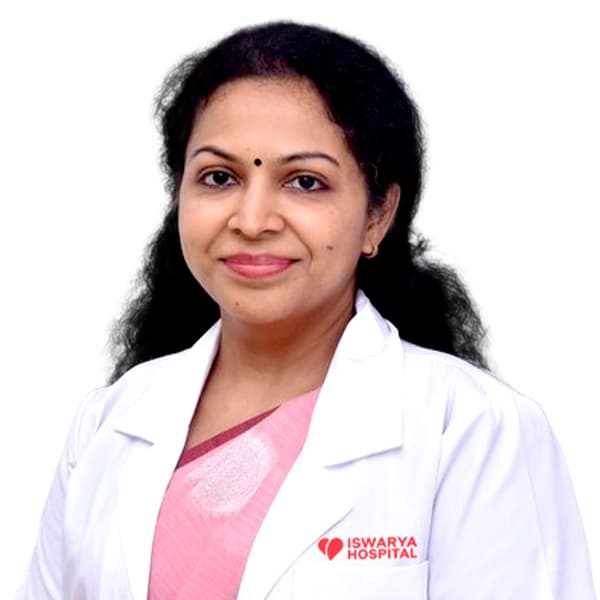
Gynecology specialists for Uterine Fibroids


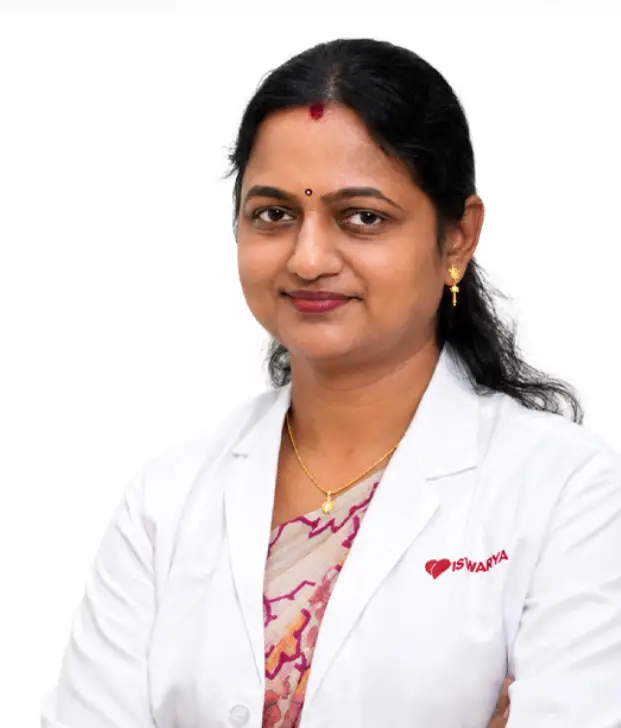
MBBS MD (Obstetrics & Gynaecology) MCCG – Fellowship in Cosmetic Gynaecology Advanced Laparoscopic Training (MISTI, Chennai)
20+ Years Experience



MBBS, DGO, Dip. Gynaec. Laparoscopy (Germany), Advanced Fertility – Monash University (Australia)
25+ Years Experience
Frequently asked questions about Uterine Fibroids
Do all fibroids need surgery?
No. Fibroids that cause no symptoms usually only need monitoring. Treatment is considered when they cause heavy bleeding, pain, pressure symptoms or fertility problems.
Can I get pregnant if I have fibroids?
Many women with fibroids conceive and have healthy pregnancies. Fibroids inside or bulging into the womb cavity are more likely to affect fertility and may be removed before trying to conceive.
Can fibroids turn into cancer?
Fibroids are benign and are not considered to turn into cancer. Rapid growth, especially after menopause, should still be checked by a gynaecologist.
When should I see a doctor?
See a gynaecologist if your periods are heavy enough to soak a pad every hour or two, last longer than seven days, or leave you tired and breathless. Seek urgent care for very heavy bleeding with dizziness or fainting.
Sources and further reading
Related guides
- → Normal Delivery Package cost in Chennai
- → C-Section Delivery Package cost in Chennai
- → Laparoscopic Hysterectomy cost in Chennai
- → Myomectomy (Fibroid Removal) cost in Chennai
- → Understanding Uterine Fibroids: Symptoms, Causes, and Advanced Management for Women
- → Fibroid Specialist in Chennai: Treatment Options, Symptoms & When Surgery Is Needed
- → Navigating Uterine Fibroids: Symptoms, Causes, and Modern Treatment Pathways
ℹ️ This information is for educational purposes only and does not constitute medical advice. Always consult a qualified healthcare professional for diagnosis and treatment.
Plan your first visit
Not sure which specialist to see? Tell our care team the reason for your visit and we will help you choose.
- Bring previous prescriptions, relevant test reports or scan images, a medication list and photo ID.
- If you plan to use insurance, bring your policy details. OPD, tests and admission benefits depend on your individual plan and approval.
- Your first consultation determines which tests or treatments are needed; not everyone needs every test listed on this page.
Appointments are requests until confirmed. In a medical emergency, call 044 2025 2025 or go to the nearest emergency department.