Book an Appointment
Book a Callback

What Is the Treatment of a Gynecologist?
Learn about Gynecology and common conditions such as PCOS, irregular periods, uterine fibroids, ovarian cysts and endometriosis. Explore different Gynecologist Treatment options, including medications, hormonal care and minimally invasive procedures, and discover women's healthcare services at Iswarya Hospital, Chennai.
Women's health involves several physical and hormonal changes throughout life, from the first menstrual cycle to pregnancy and menopause. Some women experience irregular periods, pelvic pain, hormonal problems or reproductive health concerns that require medical attention. A gynecologist is a specialist who diagnoses and treats conditions affecting the female reproductive system and supports women's health at different stages of life.
Gynecologist Treatment may include medications, lifestyle changes, routine screenings, minimally invasive procedures or surgery, depending on the condition. Understanding the available treatment options can help women recognise when to seek medical care.
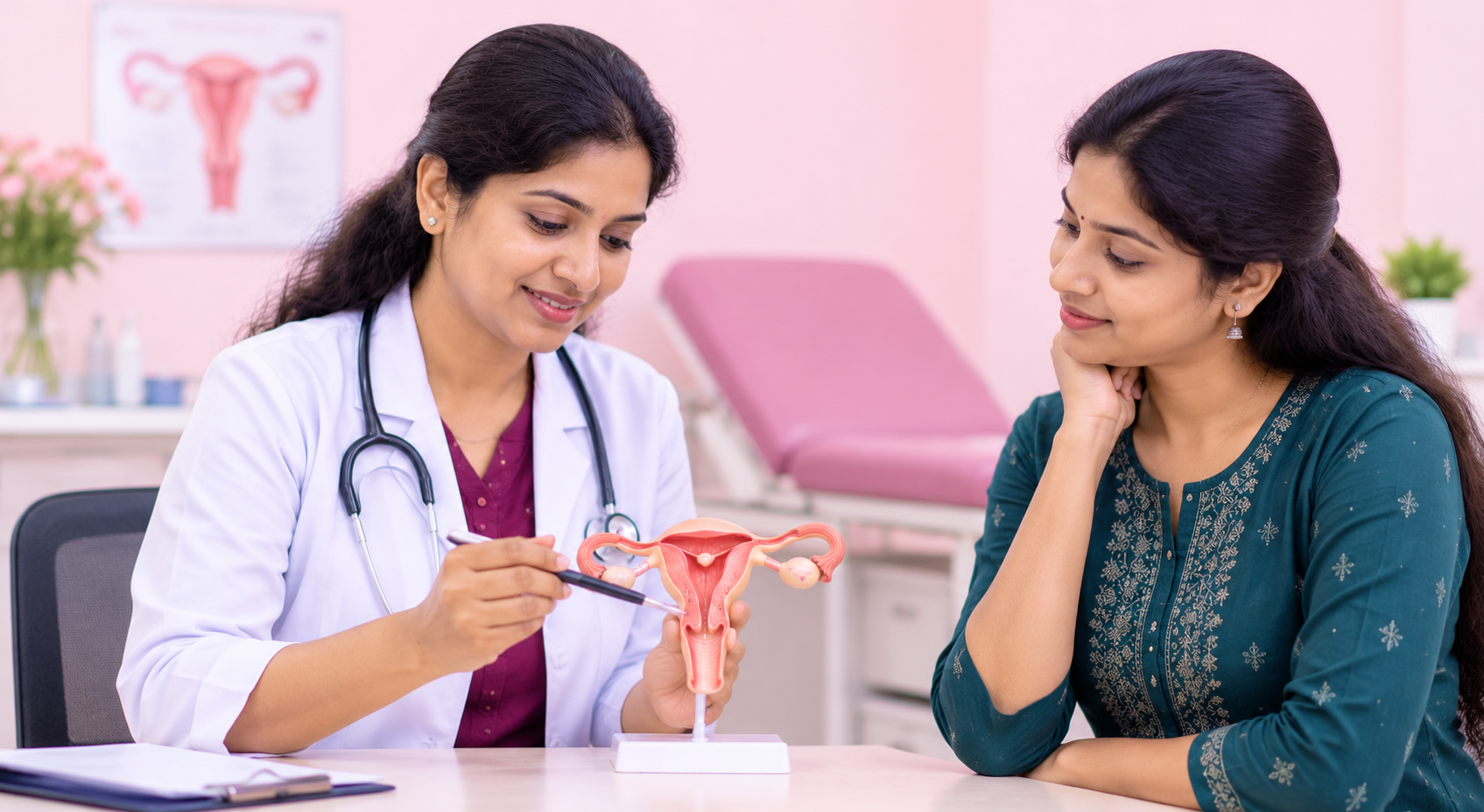
What Does a Gynecologist Treat?
A gynecologist provides medical care for conditions affecting the uterus, ovaries, fallopian tubes, cervix, vagina and other parts of the female reproductive system.
Some common conditions treated by gynecologists include:
PCOS and PCOD: Hormonal conditions that may cause irregular periods, acne, excess hair growth and difficulties with ovulation.
Menstrual disorders: Heavy bleeding, painful periods, irregular cycles or missed periods.
Uterine fibroids: Non-cancerous growths in the uterus that may cause heavy periods, pelvic pressure or discomfort.
Endometriosis: A condition in which tissue similar to the uterine lining grows outside the uterus, sometimes causing pelvic pain and fertility difficulties.
Ovarian cysts: Fluid-filled sacs that develop in or on the ovaries.
Pelvic infections: Infections affecting the reproductive organs that may require medication and follow-up care.
Menopause-related concerns: Symptoms such as hot flashes, vaginal dryness, sleep disturbances and changes in menstrual patterns.
A gynecologist evaluates symptoms and medical history before recommending an appropriate treatment plan.
What Are the Common Gynecologist Treatments?
The treatment recommended depends on the diagnosis, severity of symptoms, age, medical history and future pregnancy plans.
1. Medication and Hormonal Treatment
Many gynecological conditions can be managed with medicines. Doctors may prescribe hormonal medications to regulate menstrual cycles, reduce heavy bleeding or manage symptoms associated with PCOS and endometriosis.
Antibiotics may be recommended for certain bacterial infections, while other medications can help manage pain and discomfort. The type and duration of medication depend on the underlying condition.
2. PCOS and Hormonal Disorder Management
PCOS can affect ovulation, menstrual cycles and hormone levels. Treatment may include lifestyle modifications, regular physical activity, dietary guidance and prescribed medication.
For women planning pregnancy, doctors may recommend ovulation-inducing medication when appropriate. Treatment is personalised according to symptoms, metabolic health and reproductive goals.
3. Treatment for Uterine Fibroids and Ovarian Cysts
Small fibroids or ovarian cysts may only require regular monitoring if they do not cause symptoms. When treatment is necessary, doctors may recommend medication, minimally invasive procedures or surgery.
The decision depends on the size, location, symptoms and possible effect on reproductive health.
4. Menopause Management
Menopause is a natural stage of life, but its symptoms can affect daily comfort and well-being. A gynecologist may recommend lifestyle changes, non-hormonal medications or hormone therapy for suitable women after assessing individual risks and benefits.
Regular health check-ups also help monitor bone health and other age-related concerns.
What Gynecological Procedures May Be Recommended?
When medication is not sufficient or a condition requires surgical treatment, a gynecologist may recommend a procedure.
Common procedures include:
Hysteroscopy: A thin instrument with a camera is used to examine the inside of the uterus and, when needed, treat certain abnormalities.
Laparoscopy: A minimally invasive surgical technique using small incisions to diagnose or treat conditions such as endometriosis, ovarian cysts and fibroids.
Myomectomy: A procedure to remove uterine fibroids while preserving the uterus.
Hysterectomy: Surgery to remove the uterus, recommended for selected medical conditions when appropriate.
Colposcopy: A detailed examination of the cervix using a specialized magnifying instrument, often advised after an abnormal cervical screening result.
Not every woman needs a procedure. A gynecologist will explain the benefits, risks and alternatives before recommending surgery.
When Should You Visit a Gynecologist?
Regular gynecological consultations can help identify health concerns early. You should consider booking an appointment if you experience:
Irregular, missed or unusually heavy periods
Severe menstrual cramps or persistent pelvic pain
Unusual vaginal discharge, itching or discomfort
Bleeding between periods or after menopause
Symptoms associated with PCOS or hormonal changes
Difficulty conceiving
Menopause-related discomfort
Seek urgent medical attention for sudden severe pelvic pain, heavy bleeding with dizziness or fainting, or severe pain accompanied by fever.
What to Expect During a Gynecology Consultation?
During your first consultation, the gynecologist usually asks about your menstrual history, symptoms, medical background and reproductive health concerns.
Depending on your condition, the doctor may recommend blood tests, hormone assessments, pelvic ultrasound, cervical screening or other investigations. A physical or pelvic examination may also be suggested when clinically appropriate, with your consent.
After reviewing the findings, the specialist explains the diagnosis and discusses suitable treatment options.
Gynecology and Women's Healthcare at Iswarya Hospital
At Iswarya Hospital, OMR, Chennai, the Gynecology and Women's Health department provides care for a range of women's health concerns, including PCOS, menstrual disorders, uterine fibroids, endometriosis, ovarian cysts and menopause-related conditions.
Available services include gynecological consultations, laparoscopic gynecological surgery, cervical cancer screening, pregnancy care and delivery services. The hospital also provides normal delivery, Caesarean delivery and high-risk pregnancy care with access to hospital support when required.
Women can consult experienced obstetricians and gynecologists to understand their symptoms, receive an appropriate diagnosis and discuss personalized treatment options.
Conclusion
Gynecologist Treatment covers a wide range of women's health conditions, from menstrual and hormonal disorders to fibroids, ovarian cysts and menopause-related concerns. Treatment may involve medication, lifestyle changes, regular monitoring or surgical procedures depending on individual medical needs.
Disclaimer: This article provides general health information and is not a substitute for professional medical advice, diagnosis, or treatment. Always consult with a qualified healthcare provider for any health concerns or before making any decisions related to your health or treatment.
Tags:
Consult Our Gynecology & Women's Health Specialists
Book an appointment with our expert team at Iswarya Hospital, OMR Chennai.
Explore our Gynecology & Women's Health services →