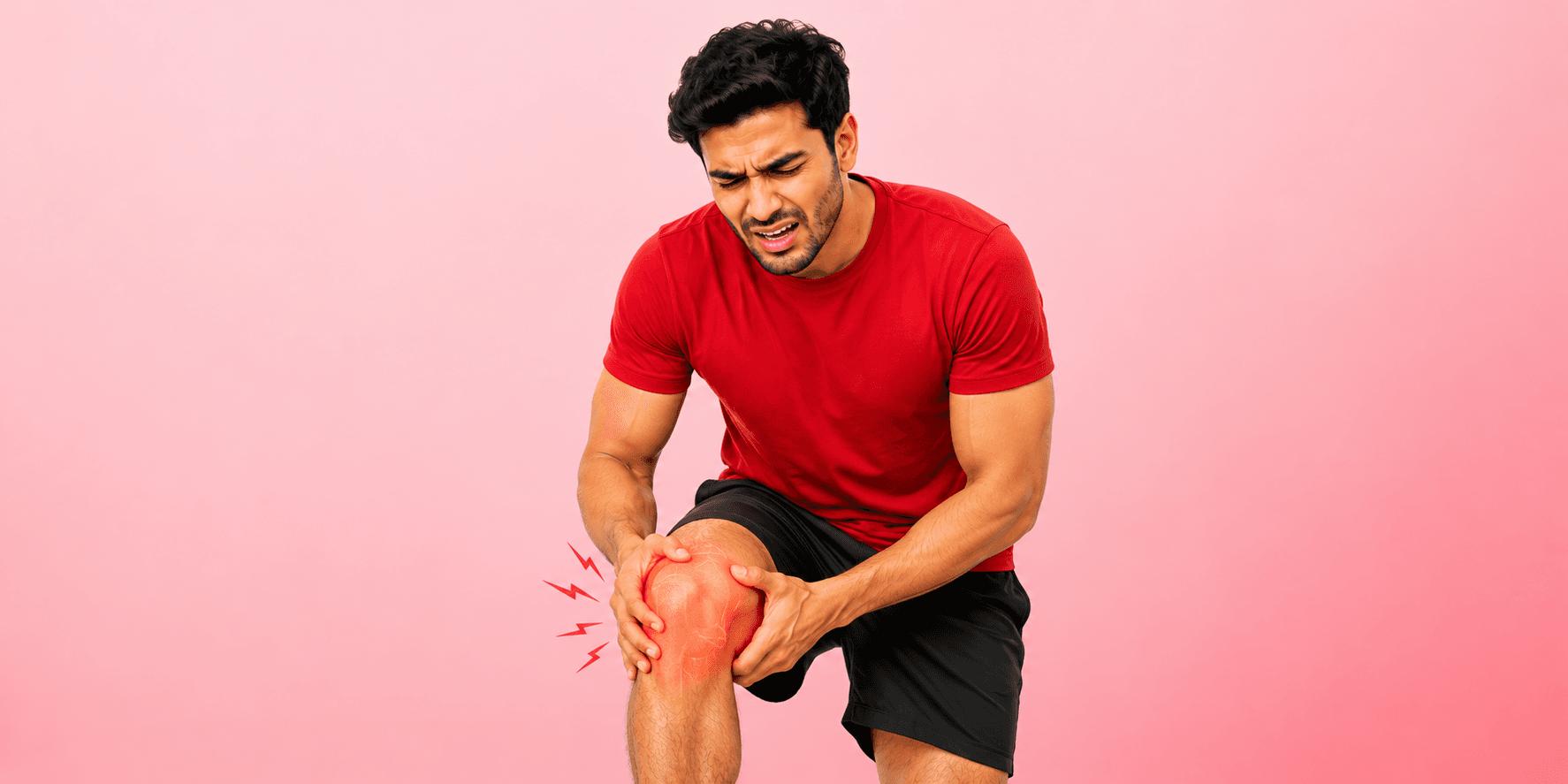
Osteoporosis: Unmasking the Silent Thief of Bone Strength in India
Unmask osteoporosis, the silent thief of bone strength. Learn its causes, symptoms, and modern management strategies at Iswarya Hospital in Chennai.
Osteoporosis, often termed the "silent thief," is a pervasive and debilitating condition that weakens bones, making them fragile and prone to fractures. Unlike many diseases that announce their presence with clear symptoms, osteoporosis often progresses without warning until a bone breaks, significantly impacting an individual's quality of life. In India, where lifestyle changes and an aging population are increasingly prevalent, understanding and addressing osteoporosis is more critical than ever. This article aims to unmask this silent threat, providing you with comprehensive information on its causes, symptoms, diagnosis, and the latest treatment approaches to safeguard your bone health.
Understanding Osteoporosis: The Silent Erosion of Bone Strength
Our bones are living tissues, constantly undergoing a process called remodeling, where old bone is removed and new bone is formed. This intricate balance ensures our skeleton remains strong and healthy. Osteoporosis occurs when the creation of new bone doesn't keep up with the loss of old bone, leading to a decrease in bone mineral density (BMD) and a deterioration of bone microarchitecture. This makes bones porous and brittle, vastly increasing the risk of fractures, even from minor falls or stresses that would not typically cause a bone to break.
While often associated with old age, the foundation for osteoporosis is often laid much earlier in life. Peak bone mass is typically achieved in our late 20s or early 30s, and failing to build strong bones during childhood and adolescence significantly increases the risk later. The impact in India is particularly concerning due to several factors, including widespread Vitamin D deficiency (despite abundant sunlight), inadequate calcium intake in diets, genetic predispositions, and a growing elderly population. Fractures, especially of the hip, spine, and wrist, can lead to chronic pain, disability, loss of independence, and even increased mortality.
Who is at Risk and What are the Warning Signs?
Knowing your risk factors and recognizing potential signs are crucial for early intervention.
Key Risk Factors
- Age and Gender: Women, particularly post-menopausal women, are at a higher risk due to the sharp decline in estrogen, a hormone vital for bone health. Men over 60 are also at risk, though typically later than women.
- Family History: A genetic predisposition exists; if a parent or sibling had osteoporosis or a hip fracture, your risk increases.
- Body Frame: Petite and thin individuals tend to have less bone mass to begin with.
- Ethnicity: Individuals of Asian and Caucasian descent are at higher risk.
- Lifestyle Factors:
- Low Calcium and Vitamin D Intake: Insufficient intake throughout life.
- Sedentary Lifestyle: Lack of weight-bearing exercise.
- Smoking: Nicotine is detrimental to bone health.
- Excessive Alcohol Consumption: Can interfere with calcium absorption and bone formation.
- High Caffeine Intake: May reduce calcium absorption.
- Medical Conditions: Certain conditions can predispose individuals to osteoporosis, including thyroid disorders (hyperthyroidism), inflammatory bowel disease, celiac disease, rheumatoid arthritis, chronic kidney disease, and eating disorders.
- Medications: Long-term use of corticosteroids (e.g., prednisone), some anticonvulsants, certain cancer treatments (for prostate or breast cancer), and proton pump inhibitors can weaken bones.
Symptoms to Watch For
Osteoporosis is often asymptomatic until a fracture occurs. However, there are subtle signs that warrant attention:
- Back Pain: Sudden or chronic back pain, especially if it worsens with standing or walking, can indicate a vertebral compression fracture.
- Loss of Height: Gradual loss of height over time (more than 1-2 inches) can be a sign of multiple spinal fractures.
- Stooped Posture (Kyphosis): The development of a "dowager's hump," where the upper back becomes abnormally rounded, is a classic sign of advanced osteoporosis due to spinal compression fractures.
- Fractures from Minor Trauma: A fracture that occurs from a fall from standing height or less, or even from sneezing or coughing, is highly suggestive of fragile bones. Common sites include the wrist, hip, and spine.
Diagnosis and Modern Management of Osteoporosis
Early diagnosis and comprehensive management are key to preventing debilitating fractures and improving bone health.
Accurate Diagnosis
The gold standard for diagnosing osteoporosis is a Bone Mineral Density (BMD) test, typically performed using Dual-energy X-ray Absorptiometry (DEXA or DXA) scan. This painless scan measures bone density in the hip and spine, providing a T-score that compares your bone density to that of a healthy young adult. A T-score of -2.5 or lower indicates osteoporosis.
In addition to a DEXA scan, your doctor may recommend blood tests to check calcium and Vitamin D levels, thyroid function, kidney function, and other markers to rule out secondary causes of bone loss. The FRAX® tool (Fracture Risk Assessment Tool) is also often used to estimate your 10-year probability of a major osteoporotic fracture based on various clinical risk factors.
Comprehensive Treatment and Management
Treatment goals focus on preventing new fractures, maintaining or increasing bone density, and managing pain if fractures have occurred. A multi-pronged approach usually involves:
- Lifestyle Modifications:
- Nutrition: Ensure adequate intake of calcium (e.g., dairy products, fortified plant milks, ragi, leafy greens) and Vitamin D (sun exposure, fortified foods, supplements as advised by your doctor).
- Exercise: Engage in regular weight-bearing exercises (walking, jogging, dancing) and strength training to build and maintain bone density. Balance exercises like Tai Chi are excellent for fall prevention.
- Avoid Harmful Habits: Quit smoking and limit alcohol consumption.
- Medications: Several classes of medications are available to treat osteoporosis:
- Bisphosphonates: (e.g., Alendronate, Risedronate, Zoledronic Acid) – These are often the first line of treatment, slowing down bone breakdown. Available orally or intravenously.
- Denosumab: (Prolia®) – An injectable medication given every six months, which prevents bone breakdown.
- Anabolic Agents: (e.g., Teriparatide, Abaloparatide, Romosozumab) – These medications actually stimulate new bone formation and are typically reserved for severe cases or those who haven't responded to other treatments.
- Hormone Replacement Therapy (HRT): May be considered for some post-menopausal women to manage menopausal symptoms and prevent bone loss, after a thorough discussion of risks and benefits.
- Fall Prevention: Address hazards in the home, ensure good lighting, use assistive devices if needed, have regular vision checks, and review medications with your doctor to identify those that might cause dizziness or drowsiness.
Living Well with Osteoporosis: Prevention and Support
Prevention is always better than cure, and building strong bones early in life is paramount. However, even if you are diagnosed with osteoporosis, proactive management can significantly reduce your risk of fractures and improve your quality of life.
When to See a Doctor
It's important to consult a healthcare professional, especially if you:
- Are a post-menopausal woman or a man over 60 with one or more risk factors.
- Have experienced a fracture from a minor fall or trauma.
- Notice a loss of height or a change in your posture.
- Have a family history of osteoporosis or fragility fractures.
- Are on medications known to affect bone density (e.g., long-term corticosteroids).
At Iswarya Hospital, our expert Orthopedics department, supported by specialists in endocrinology and nutrition, offers advanced diagnostic services and personalized treatment plans for osteoporosis. Our comprehensive approach ensures that you receive the best possible care, from risk assessment and early detection to modern medical management and rehabilitation.
Osteoporosis may be silent, but its impact can be profound. By understanding the risks, recognizing the signs, and actively engaging in preventive and treatment strategies, you can take significant steps towards protecting your bone health. Don't wait for a fracture to act; empower yourself with knowledge and seek professional guidance to maintain strong, healthy bones for a vibrant future.
Disclaimer: This article provides general information and does not constitute medical advice. Please consult with a qualified healthcare professional for personalized diagnosis and treatment.

Consult a Specialist
Dr. Vijayaraj Kannan
MBBS, MS (Orthopaedics)
Orthopedics · 12+ Years Experience
Tags:
Related conditions and procedures
Consult Our Orthopedics Specialists
Book an appointment with our expert team at Iswarya Hospital, OMR Chennai.
Explore our Orthopedics services →