Book an Appointment
Book a Callback
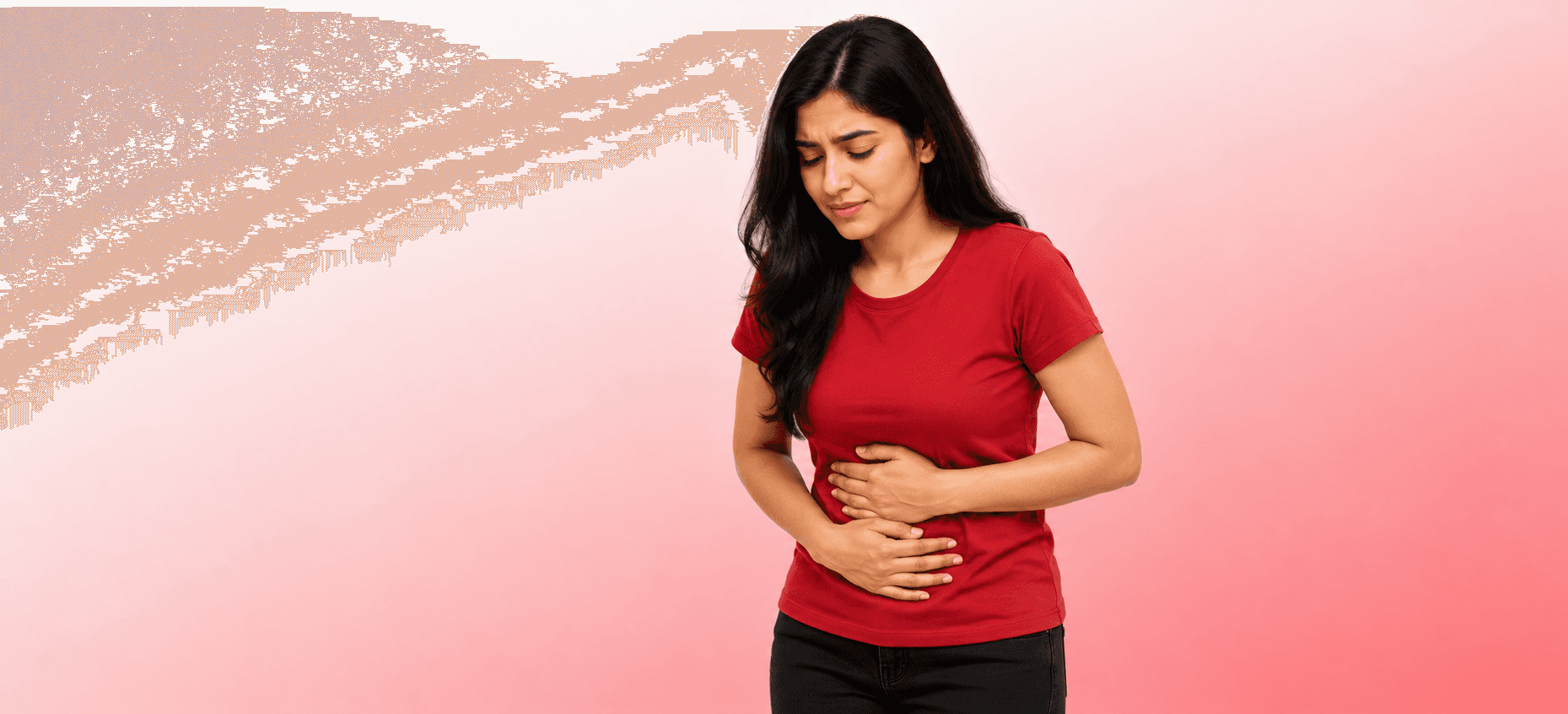
Endometriosis Explained: Finding Relief from Pelvic Pain and Infertility in Chennai
Medically reviewed by
Dr. Pavithra ThamizharasanMBBS, MD (General Medicine), PG Dip (Diabetes), MBA (Hospital Management) · Iswarya Hospital
Endometriosis affects millions, causing pelvic pain and infertility. Learn about its symptoms, diagnosis, and comprehensive treatment options at Iswarya Hospital in Chennai.
Endometriosis is a common yet often misunderstood condition affecting millions of women worldwide, including many here in Chennai. It can manifest as chronic pelvic pain that impacts daily life, or present as a significant challenge for those trying to conceive. Understanding endometriosis is the first step towards finding relief and managing its symptoms effectively. At Iswarya Hospital, we are dedicated to providing compassionate, state-of-the-art care for women navigating this complex condition, helping them regain comfort and improve their quality of life.
What is Endometriosis?
Endometriosis occurs when tissue similar to the lining of the uterus, called the endometrium, grows outside the uterus. This tissue can be found on the ovaries, fallopian tubes, the outer surface of the uterus, and even on other organs in the pelvic cavity, such as the bladder or bowel. Less commonly, it can appear in distant sites.
Unlike the endometrial tissue inside the uterus, which exits the body during menstruation, the displaced endometrial-like tissue has nowhere to go. It responds to hormonal changes during the menstrual cycle, thickens, breaks down, and bleeds. This internal bleeding, inflammation, and subsequent scarring can lead to:
- Pain: Ranging from mild to severe, often cyclical but can become chronic.
- Inflammation: The body's reaction to the displaced tissue.
- Scar Tissue and Adhesions: Tissues and organs can stick together, causing further pain and dysfunction.
- Cysts: Endometrial tissue on the ovaries can form blood-filled cysts known as endometriomas.
While the exact cause of endometriosis is not fully understood, several theories exist, including retrograde menstruation (menstrual blood flowing backward into the pelvis), genetic predisposition, and immune system dysfunction. It's a condition that can significantly affect a woman's physical and emotional well-being.
Recognizing the Signs: Symptoms of Endometriosis
The symptoms of endometriosis are varied, and their severity doesn't always correlate with the extent of the disease. Some women with extensive endometriosis may experience mild symptoms, while others with minimal disease may suffer from debilitating pain. Common symptoms include:
- Painful Periods (Dysmenorrhea): This is often the most common symptom. Pain can be severe and may worsen over time, often beginning before and extending beyond the menstrual period.
- Chronic Pelvic Pain: Persistent pain in the lower back and pelvis, even outside of menstruation.
- Painful Intercourse (Dyspareunia): Pain during or after sexual activity, which can be deeply penetrating.
- Pain with Bowel Movements or Urination: Especially during menstrual periods, indicating endometrial implants on the bladder or bowel.
- Heavy or Irregular Bleeding: Abnormally heavy menstrual periods (menorrhagia) or bleeding between periods.
- Infertility: Endometriosis can affect fertility in several ways, including causing structural damage to the fallopian tubes, inflammation that impacts egg and sperm function, or changes in the uterine environment.
- Fatigue: Chronic pain and inflammation can lead to persistent tiredness.
- Other Symptoms: Digestive issues (bloating, diarrhea, constipation, especially during periods), nausea, and leg pain.
When to See a Doctor
It's crucial to seek medical advice if you experience persistent pelvic pain, heavy bleeding, painful intercourse, or have difficulty conceiving. Don't dismiss severe period pain as 'normal'; it could be a sign of an underlying condition like endometriosis. Early diagnosis and management can prevent progression and significantly improve your quality of life.
The Journey to Diagnosis
Diagnosing endometriosis can sometimes be challenging and often takes several years, primarily because symptoms can overlap with other conditions. The diagnostic process typically involves:
- Detailed Medical History and Symptom Review: Your doctor will ask about your symptoms, medical history, and family history.
- Pelvic Exam: A physical exam may reveal tenderness, nodules, or abnormalities, though it often appears normal.
- Imaging Tests:
- Ultrasound: Transvaginal ultrasound can detect larger endometriomas (cysts on the ovaries) and sometimes deep infiltrating endometriosis.
- MRI (Magnetic Resonance Imaging): Can provide more detailed images, particularly for deeper lesions, but often cannot definitively diagnose all endometriosis implants.
- Laparoscopy (Keyhole Surgery): Currently, this is considered the gold standard for definitively diagnosing endometriosis. A surgeon makes a small incision, usually near the navel, and inserts a thin instrument with a camera (laparoscope) to visualize the pelvic organs. During this procedure, the surgeon can confirm the presence, location, and extent of endometrial implants and take biopsies for pathological confirmation.
A timely and accurate diagnosis by an experienced gynecologist is vital for effective management.
Comprehensive Treatment Approaches for Endometriosis
While there is no definitive cure for endometriosis, various treatments can effectively manage symptoms, improve fertility, and enhance quality of life. The best approach is highly individualized, depending on your symptoms, the severity of the disease, your age, and your family planning goals. Treatment options fall into several categories:
1. Medical Management
Medications primarily aim to manage pain and slow the growth of endometrial tissue by regulating or suppressing hormonal activity.
- Pain Relievers: Over-the-counter NSAIDs (Non-Steroidal Anti-Inflammatory Drugs) like ibuprofen or naproxen can help manage mild to moderate pain. Stronger pain medication may be prescribed for severe pain.
- Hormonal Therapies: These treatments work by altering hormone levels to suppress the growth and activity of endometrial implants.
- Oral Contraceptives: Birth control pills, patches, or vaginal rings can reduce menstrual flow and pain by making periods lighter and less frequent.
- Progestin Therapy: Progestins (in pills, injections, or an intrauterine device/IUD) can stop periods and reduce the growth of endometrial tissue.
- GnRH Agonists and Antagonists: These medications temporarily induce a menopausal state by blocking the production of ovarian-stimulating hormones, which can significantly reduce pain.
2. Surgical Management
Surgery aims to remove endometrial implants, scar tissue, and adhesions while preserving fertility. It is often performed laparoscopically (minimally invasive).
- Laparoscopic Excision or Ablation: The surgeon identifies and removes (excises) or destroys (ablates) endometrial implants. Excision, where the tissue is cut out, is generally preferred as it allows for complete removal and tissue analysis. This can significantly reduce pain and improve fertility outcomes.
- Hysterectomy and Oophorectomy: In severe cases, particularly for women who have completed their families and have exhausted other options, surgical removal of the uterus (hysterectomy) and/or ovaries (oophorectomy) might be considered. This is a major decision and is not always a cure if all endometrial lesions outside the uterus cannot be removed.
3. Fertility Treatment
For women with endometriosis struggling with infertility, a range of reproductive technologies can help:
- Assisted Reproductive Technologies (ART): Procedures like In Vitro Fertilization (IVF) or Intrauterine Insemination (IUI) can be highly effective for couples affected by endometriosis-related infertility.
At Iswarya Hospital, our expert team in Gynecology and Reproductive Medicine provides comprehensive evaluation and personalized treatment plans, including advanced surgical options and fertility support, tailored to your specific needs.
4. Lifestyle and Complementary Therapies
While not a substitute for medical treatment, certain lifestyle adjustments can complement conventional therapies and improve overall well-being:
- Dietary Changes: Some women find relief by reducing inflammatory foods (e.g., red meat, processed foods) and increasing anti-inflammatory foods (e.g., fruits, vegetables, omega-3 fatty acids).
- Regular Exercise: Can help reduce pain and improve mood.
- Stress Management: Techniques like yoga, meditation, and mindfulness can help cope with chronic pain and its emotional impact.
- Pelvic Floor Physiotherapy: Can address muscle tension and pain associated with chronic pelvic conditions.
Finding Your Path to Relief at Iswarya Hospital
Endometriosis can be a challenging condition, but you don't have to face it alone. By seeking expert care, you can find effective strategies for managing pain, improving fertility, and reclaiming your quality of life. At Iswarya Hospital, our dedicated team of gynecologists and specialists is committed to providing accurate diagnosis, advanced treatment, and compassionate support every step of the way. We understand the unique needs of women in Chennai and are here to offer personalized care tailored to your journey towards health and well-being.
Disclaimer: This article is intended for general informational purposes only and does not constitute medical advice. Please consult with a qualified healthcare professional for diagnosis and treatment of any medical condition.
Tags:
Consult Our Gynecology & Women's Health Specialists
Book an appointment with our expert team at Iswarya Hospital, OMR Chennai.
Explore our Gynecology & Women's Health services →