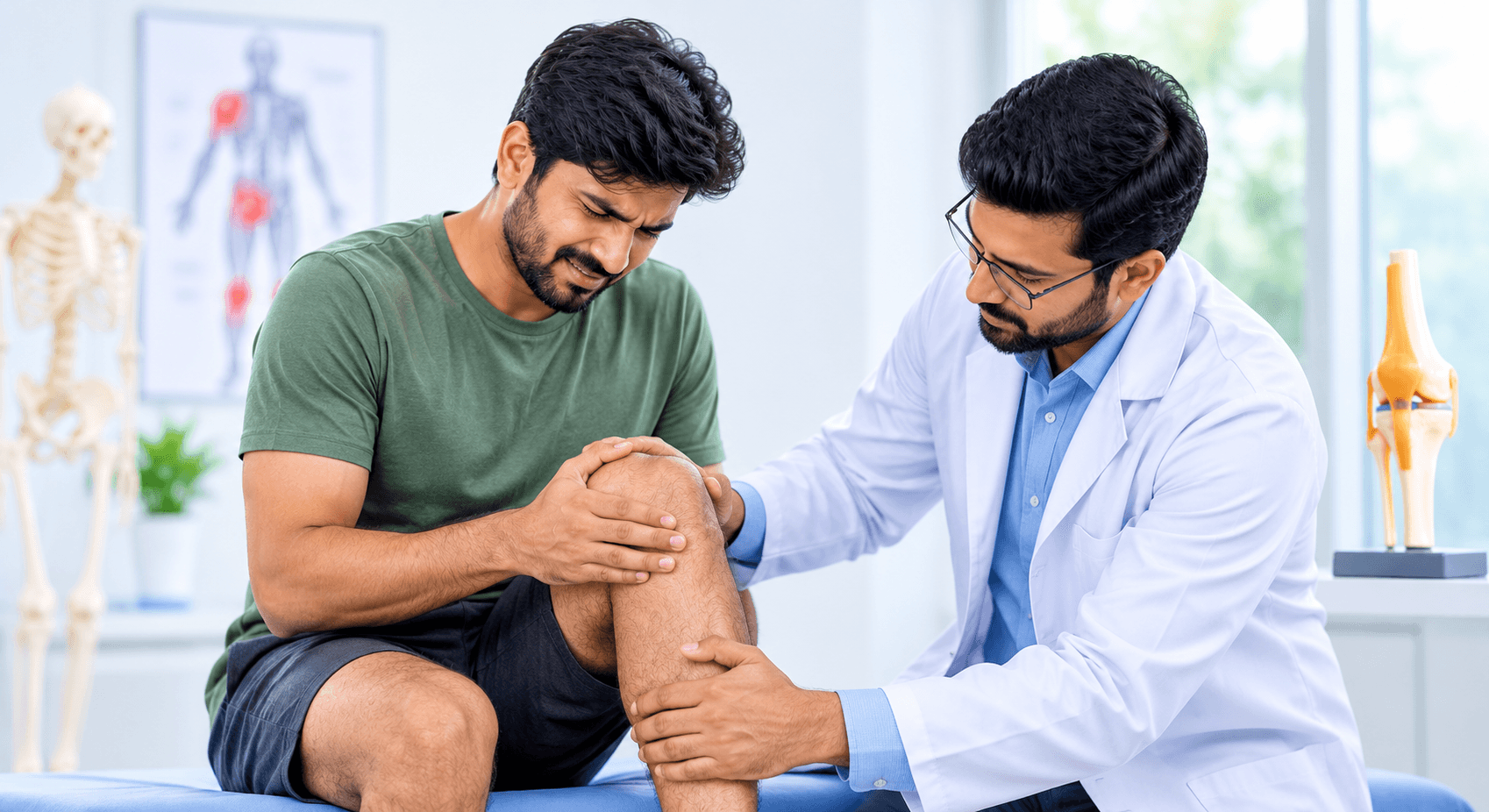
What Is Orthopedic Treatment?
Learn what Orthopedic Treatment involves, including care for Back pain, Knee pain, spine conditions, fractures and joint problems. Explore common diagnostic tests, non-surgical treatments and surgical procedures, and discover orthopedic care options at Iswarya Hospital in Chennai.
Pain in the bones, joints, muscles or spine can affect everyday activities such as walking, climbing stairs, sitting and lifting objects. Problems like Back pain, Knee pain, fractures and joint stiffness may develop due to injuries, ageing or underlying medical conditions. Orthopedic treatment focuses on diagnosing and managing these problems to help people improve movement, reduce discomfort and maintain an active lifestyle.
Orthopedics is a medical speciality that deals with the musculoskeletal system, including bones, joints, muscles, ligaments, tendons and related structures. Depending on the condition, treatment may involve medication, physiotherapy, lifestyle changes, injections or surgery.
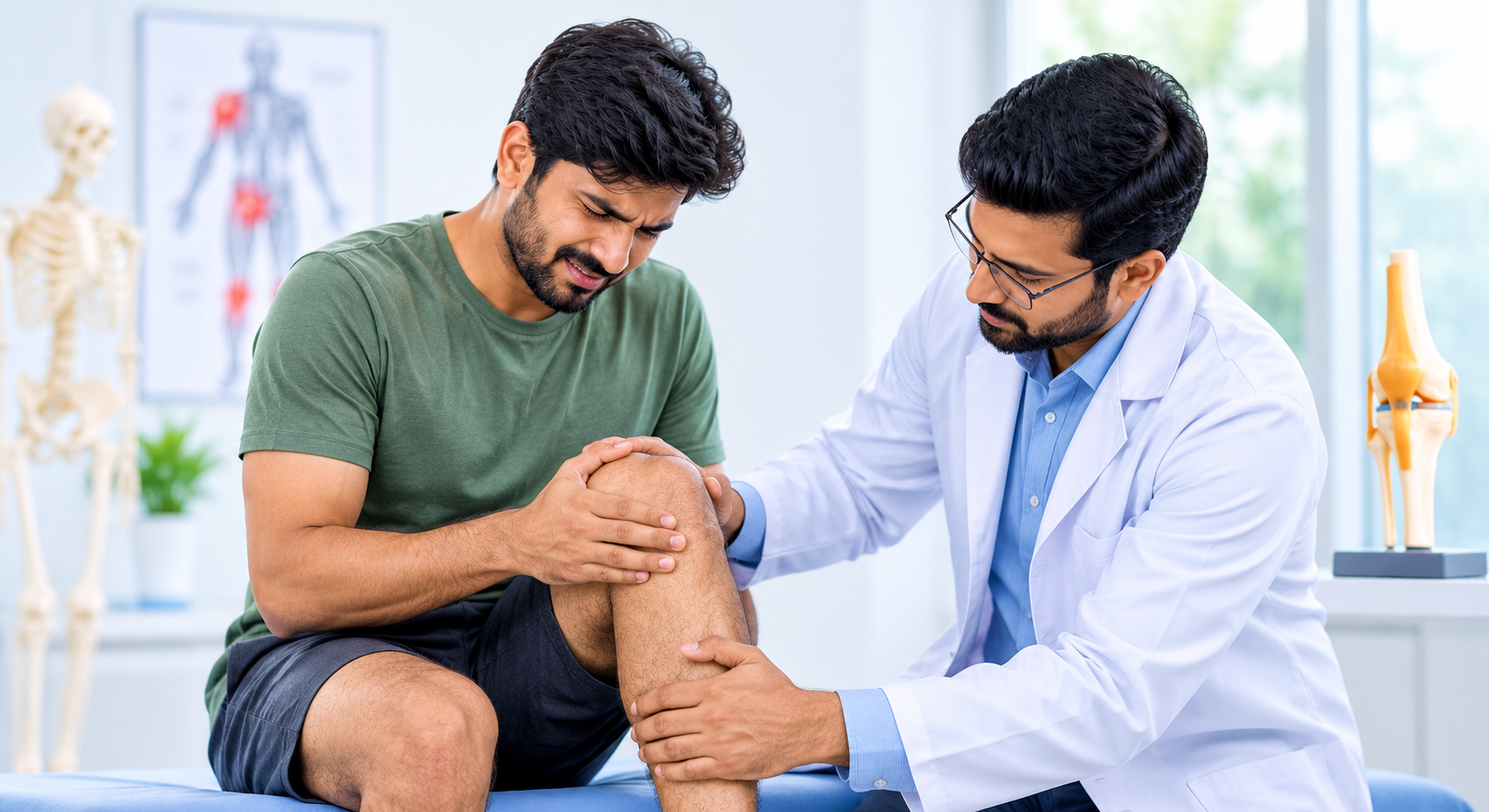
What Does Orthopedic Treatment Include?
Orthopedic treatment involves medical care for conditions affecting the musculoskeletal system. The treatment plan depends on the patient's symptoms, diagnosis, age, activity level and overall health.
An Orthopedic Doctor may recommend different approaches, such as:
Medication: Medicines may be prescribed to manage pain, inflammation or other symptoms, depending on the diagnosis.
Physiotherapy: Guided exercises can help improve strength, flexibility, balance and joint movement.
Lifestyle modifications: Weight management, posture correction and suitable physical activity may help reduce stress on joints and the spine.
Injections: Certain conditions may be managed with injections around affected joints or soft tissues when clinically appropriate.
Surgery: Surgical procedures may be considered when conservative treatments do not provide sufficient relief or when an injury requires surgical repair.
Not every orthopedic condition requires surgery. A specialist evaluates the problem before recommending an appropriate treatment.
What Conditions Do Orthopedic Doctors Treat?
Orthopedic specialists diagnose and manage a wide range of bone, joint and muscle conditions. Some common examples include:
1. Back Pain and Spine Problems
Back pain may occur due to muscle strain, poor posture, disc problems, spinal stenosis or other conditions. Some people may also experience neck pain, stiffness, tingling or pain that travels into the arms or legs.
Spine treatment depends on the underlying cause. It may include medication, physiotherapy, activity modification or spine surgery when medically necessary.
2. Knee Pain and Joint Problems
Knee pain can develop due to arthritis, ligament injuries, meniscus tears, sports injuries or age-related joint changes. It may cause swelling, stiffness, difficulty bending the knee or discomfort while walking.
Treatment may involve medication, exercises, injections or procedures such as knee replacement, depending on the severity of the condition.
3. Fractures and Bone Injuries
A fracture is a break in a bone, commonly caused by falls, accidents or sports injuries. Treatment depends on the type and location of the fracture. Some fractures can be managed with casts or braces, while others may require surgery to stabilise the bone.
4. Sports and Soft Tissue Injuries
Sports activities can sometimes lead to ligament tears, tendon injuries, muscle strains and joint dislocations. Orthopedic specialists assess the injury and recommend suitable treatment to support healing and restore function.
5. Arthritis and Joint Stiffness
Arthritis can cause joint pain, swelling and reduced movement. It may affect the knees, hips, hands and other joints. Treatment aims to manage symptoms, maintain mobility and improve quality of life.
How Is an Orthopedic Condition Diagnosed?
Before recommending treatment, an orthopedic specialist evaluates the patient's symptoms and medical history. The assessment may include:
Physical examination: Checking joint movement, muscle strength, swelling, tenderness and mobility.
X-rays: Helping identify fractures, bone alignment problems and certain joint changes.
MRI scan: Providing detailed images of soft tissues, ligaments, cartilage, discs and other structures.
CT scan: Offering detailed images of bones and complex injuries when required.
Other investigations: Blood tests or additional imaging may be recommended depending on the suspected condition.
Not every patient needs all these tests. The Orthopedic Doctor selects investigations based on clinical findings.
When Should You Consult an Orthopedic Doctor?
Occasional muscle soreness may improve with rest, but persistent or recurring symptoms should not be ignored. Consider consulting an orthopedic specialist if you experience:
Persistent Back pain or Knee pain
Joint swelling, stiffness or reduced movement
Difficulty walking, standing or climbing stairs
Pain following a fall, accident or sports injury
Repeated joint discomfort during daily activities
Numbness, tingling or weakness associated with back or neck symptoms
Seek urgent medical attention after a serious injury, if a limb looks deformed, or if you cannot bear weight. New back pain accompanied by loss of bladder or bowel control, or numbness around the groin, also requires emergency assessment.
What Are the Common Orthopedic Treatments and Surgeries?
Treatment varies according to the condition and its severity. Some commonly performed orthopedic procedures include:
Knee replacement: Replaces damaged joint surfaces to help manage severe knee joint problems.
Hip replacement: Replaces damaged parts of the hip joint when clinically indicated.
Arthroscopy: A minimally invasive procedure that uses a small camera and specialised instruments to assess or treat certain joint problems.
Spine surgery: May be recommended for selected spinal conditions when non-surgical treatment is unsuitable or ineffective.
Robotic-assisted joint replacement: Uses robotic technology to assist the surgeon with planning and performing selected joint replacement procedures.
Fracture surgery: Helps stabilise certain broken bones using suitable surgical techniques and implants.
Surgery is not the first option for every patient. The specialist explains the expected benefits, possible risks and recovery requirements before proceeding.
Orthopedic Treatment in Chennai at Iswarya Hospital
People looking for Orthopedic Treatment in Chennai can consult the Orthopedics department at Iswarya Hospital, OMR. The department provides care for bone, joint, spine and sports-related conditions.
The listed services include robotic-assisted joint replacement, knee replacement, hip replacement, Spine Surgery, arthroscopy, sports injury management, and trauma and fracture care. The hospital also provides minimally invasive surgical options for selected conditions, based on the patient's medical needs.
An experienced orthopedic team evaluates each patient and recommends a suitable treatment approach. The choice of procedure and expected recovery depend on the diagnosis, overall health and individual treatment plan.
Conclusion
Orthopedic treatment helps manage conditions affecting bones, joints, muscles and the spine. From Back pain and Knee pain to fractures, arthritis and sports injuries, treatment may involve medication, physiotherapy, lifestyle changes or surgery. Early medical evaluation can help identify the cause of symptoms and guide appropriate care.
If you are experiencing persistent joint or bone discomfort, consult an Orthopedic Doctor to understand your treatment options. At Iswarya Hospital, Chennai, patients can access orthopedic consultations and a range of surgical and non-surgical care options based on their individual needs.
Please note: This article provides general information and is not a substitute for professional medical advice. Always consult with a qualified healthcare provider for diagnosis and treatment of any medical condition.

Consult a Specialist
Dr. Vijayaraj Kannan
MBBS, MS (Orthopaedics)
Orthopedics · 12+ Years Experience
Tags:
Consult Our Orthopedics Specialists
Book an appointment with our expert team at Iswarya Hospital, OMR Chennai.
Explore our Orthopedics services →