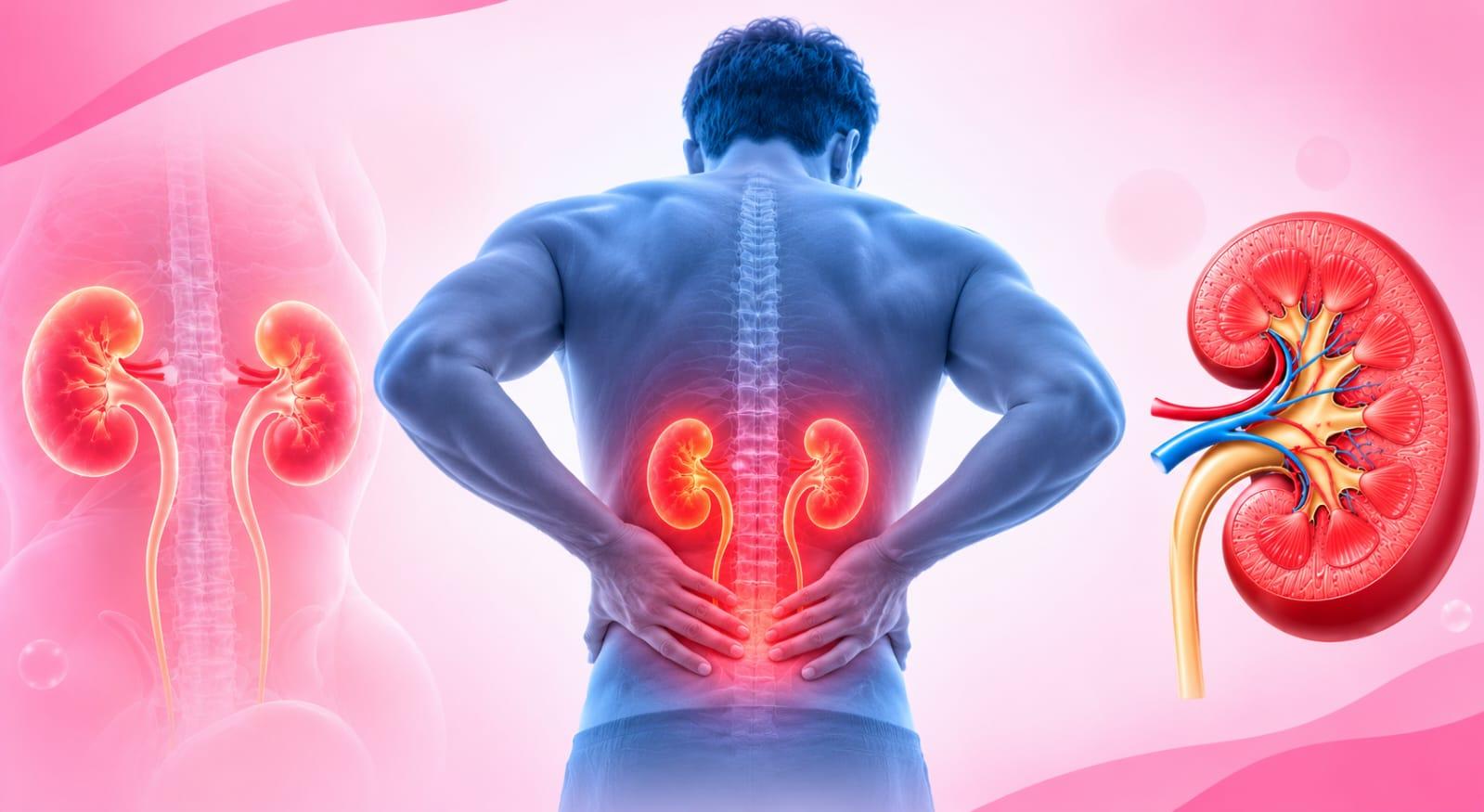
What Are the Main Causes of Kidney Failure?
Learn about the main causes of kidney failure, including diabetes, high blood pressure, kidney infections, and kidney stones. Understand the warning signs, diagnosis, and available treatment options at Iswarya Hospital.
The kidneys play an important role in maintaining overall health. They filter waste products and excess fluids from the blood, balance minerals, regulate blood pressure, and support red blood cell production. When the kidneys lose their ability to perform these functions properly, it can lead to a condition called Kidney failure.
Kidney failure may develop gradually over several years or occur suddenly due to an illness, infection, or injury. Understanding its causes, symptoms, and risk factors can help people take steps to protect their kidney health and seek medical attention at the right time.
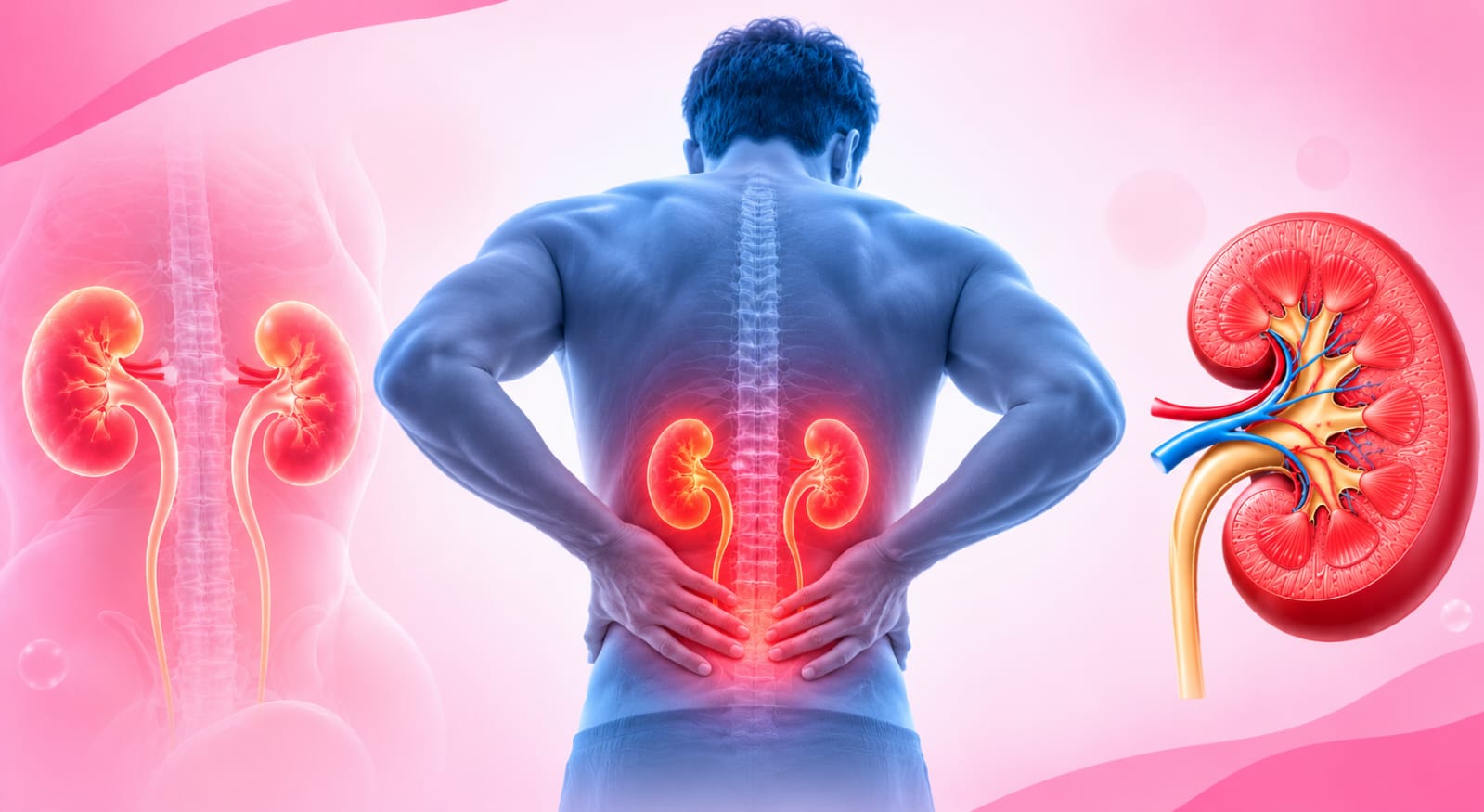
What Is Kidney Failure?
Kidney failure is a condition in which one or both kidneys cannot filter waste and excess fluids from the blood effectively. As a result, harmful waste products and fluids can build up in the body.
There are two main types of kidney failure:
Acute Kidney Failure: This develops suddenly, sometimes within hours or days. It may occur due to severe dehydration, infections, blood loss, or certain medications. With timely treatment, kidney function may recover in some cases.
Chronic Kidney Disease (CKD): This develops gradually over months or years. It occurs when the kidneys experience long-term damage and progressively lose their ability to function.
What Are the Main Causes of Kidney Failure?
Several medical conditions and lifestyle factors can contribute to kidney damage. The most common causes include:
1. Diabetes
Diabetes is one of the leading causes of chronic kidney disease. When blood sugar levels remain high for a long time, they can damage the tiny blood vessels inside the kidneys.
This damage affects the kidneys' ability to filter waste from the blood. Over time, it may lead to diabetic kidney disease and eventually kidney failure if not properly managed.
Regular blood sugar monitoring and kidney function tests can help identify early signs of kidney damage.
2. High Blood Pressure
High blood pressure, also known as hypertension, can damage the blood vessels that supply the kidneys. When these vessels become narrow or weakened, the kidneys receive less blood and cannot function properly.
Similarly, damaged kidneys can make blood pressure more difficult to control, creating a cycle that worsens kidney health.
Managing blood pressure through prescribed medication, a balanced diet, and regular monitoring is important for preventing further kidney damage.
3. Chronic Kidney Infections
Repeated or severe kidney infections can cause inflammation and damage to kidney tissues. Certain urinary tract infections (UTIs), when left untreated, may spread to the kidneys and cause complications.
Frequent infections, particularly when associated with urinary blockage or other underlying conditions, can increase the risk of long-term kidney damage.
Early diagnosis and appropriate treatment can help prevent complications.
4. Kidney Stones and Urinary Blockages
Kidney stones are hard deposits formed from minerals and salts in the urine. Small stones may pass naturally, but larger stones can block the flow of urine.
Long-term urinary obstruction can increase pressure inside the kidneys and damage kidney tissues. Other conditions, such as an enlarged prostate or urinary tract abnormalities, can also cause blockages.
Seeking medical attention for persistent pain, difficulty passing urine, or blood in the urine is important.
5. Long-Term Use of Certain Medications
Some medications can affect kidney function, particularly when used frequently, in high doses, or without medical supervision.
Certain painkillers, especially non-steroidal anti-inflammatory drugs (NSAIDs), may reduce blood flow to the kidneys and cause damage in susceptible individuals.
People with existing kidney problems should discuss medication use with their doctor and avoid self-medication.
6. Autoimmune Diseases
Certain autoimmune conditions can cause the body's immune system to attack healthy kidney tissues.
For example, lupus nephritis occurs when systemic lupus erythematosus affects the kidneys. This can cause inflammation and damage to the filtering units of the kidneys.
Early diagnosis and appropriate treatment can help control inflammation and reduce the risk of permanent kidney damage.
7. Severe Dehydration and Blood Loss
Severe dehydration reduces the amount of blood flowing to the kidneys. This can happen due to prolonged vomiting, diarrhea, excessive sweating, or inadequate fluid intake.
Significant blood loss or a sudden drop in blood pressure can also reduce kidney blood supply and lead to acute kidney injury.
Prompt medical treatment is important to restore fluid balance and protect kidney function.
What Are the Warning Signs of Kidney Failure?
Kidney problems may not cause noticeable symptoms during the early stages. However, as kidney function decreases, some warning signs may appear:
Swelling in the feet, ankles, hands, or face
Changes in urination frequency or urine output
Persistent tiredness and weakness
Nausea and vomiting
Loss of appetite
Difficulty concentrating
Shortness of breath
Persistent itching
These symptoms may also occur due to other health conditions. Medical evaluation is necessary to identify the underlying cause.
How Can Kidney Failure Be Diagnosed?
A doctor may recommend different tests to assess kidney function and identify possible damage.
Common diagnostic tests include:
Blood Tests: Creatinine and estimated glomerular filtration rate (eGFR) help evaluate how well the kidneys filter blood.
Urine Tests: These detect protein, blood, and other abnormalities in urine.
Ultrasound Scan: This helps identify kidney stones, structural abnormalities, or urinary blockages.
Additional Tests: Depending on the condition, a doctor may recommend further investigations or a kidney biopsy.
What Treatments Are Available for Kidney Failure?
Treatment depends on the underlying cause, stage of kidney disease, and the patient's overall health. The main goals are to manage symptoms, protect remaining kidney function, and prevent complications.
Treatment options may include:
Medications: To manage diabetes, high blood pressure, and other conditions affecting kidney health.
Dietary Changes: A kidney-friendly diet may involve managing salt, potassium, phosphorus, and fluid intake based on medical advice.
Dialysis: A treatment that helps remove waste products and excess fluids when the kidneys cannot perform these functions adequately.
Kidney Transplant: In selected patients with advanced kidney failure, a kidney transplant may be considered.
At Iswarya Hospital, patients can access medical evaluation and treatment for kidney-related conditions. Consultation with a qualified Nephrologist helps identify the cause of kidney problems and determine an appropriate treatment plan based on individual health needs. Diagnostic investigations and ongoing medical care are important parts of managing kidney conditions.
How Can You Prevent Kidney Failure?
Although not all kidney conditions can be prevented, certain healthy habits can reduce the risk of kidney damage:
Keep blood sugar and blood pressure under control.
Drink adequate water based on your health needs.
Follow a balanced and nutritious diet.
Exercise regularly and maintain a healthy weight.
Avoid unnecessary use of painkillers and other medications.
Do not ignore urinary infections or kidney-related symptoms.
Get regular kidney function tests if you have diabetes, hypertension, or a family history of kidney disease.
Conclusion
Kidney failure can develop due to several factors, including diabetes, high blood pressure, infections, kidney stones, and long-term medication use. Recognizing the risk factors and seeking medical advice early can help protect kidney function and reduce complications.
If you notice changes in urination, unexplained swelling, or persistent tiredness, consult a doctor for proper evaluation. With timely diagnosis, appropriate treatment, and regular monitoring, many kidney conditions can be managed effectively.
Disclaimer: This article is for general educational purposes only. Kidney failure diagnosis and treatment should be guided by a qualified healthcare professional based on individual medical reports.

Consult a Specialist
Dr. Muthu Kumar P.
MBBS, MD, DM (Nephrology)
Nephrology & Renal Transplantation · 20+ Years Experience
Tags:
Consult Our Nephrology & Renal Transplantation Specialists
Book an appointment with our expert team at Iswarya Hospital, OMR Chennai.
Explore our Nephrology & Renal Transplantation services →