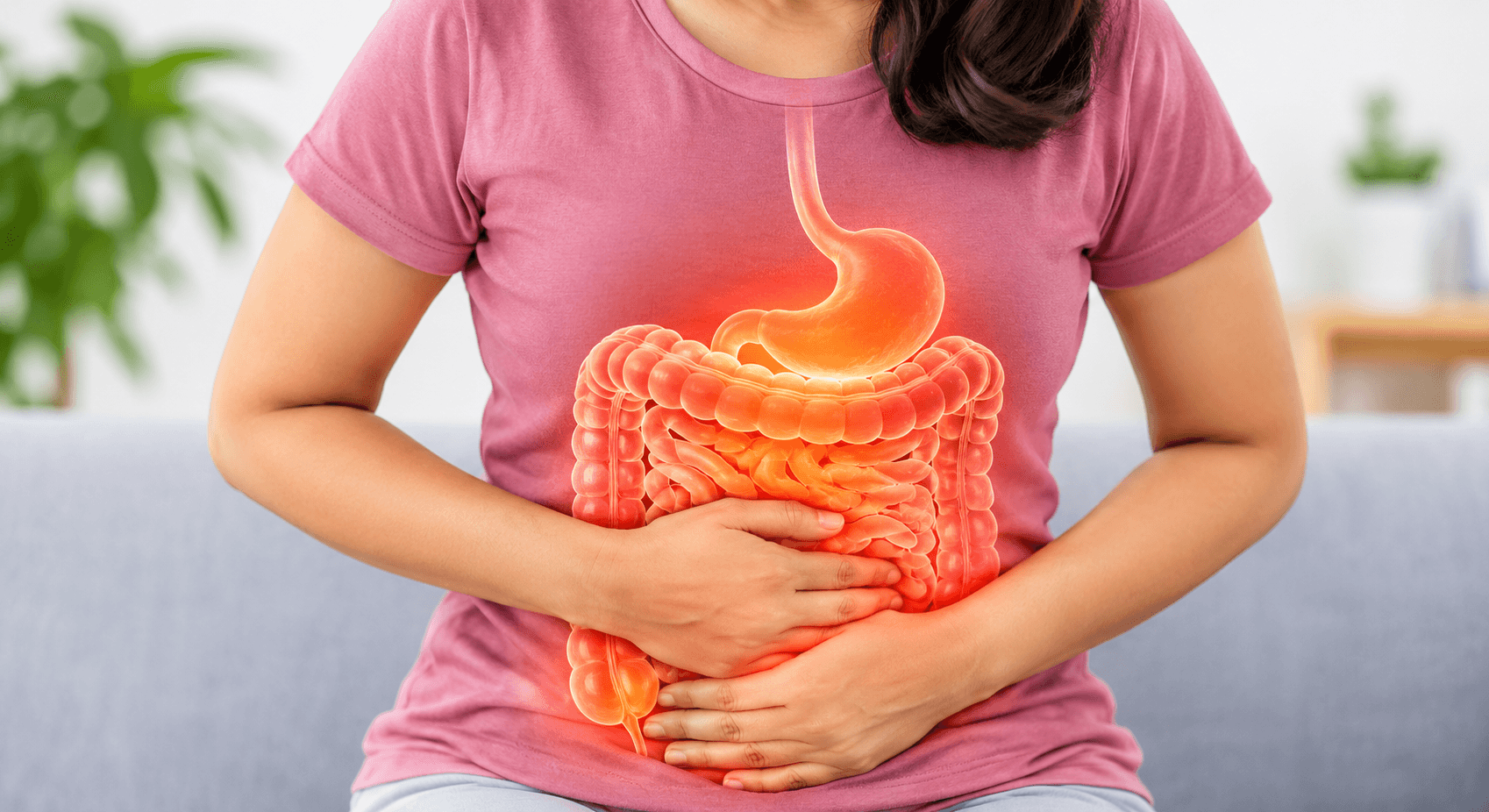
What Are Some Common Gastrointestinal Diseases?
Discover 7 common gastrointestinal diseases, including GERD, gastritis, IBS, peptic ulcers, inflammatory bowel disease, fatty liver and gallstones. Understand their symptoms, causes, diagnosis and treatment options, and explore Gastroenterology Treatment at Iswarya Hospital, Chennai.
The digestive system plays an important role in maintaining overall health. It helps the body break down food, absorb essential nutrients and remove waste. However, problems affecting the stomach, intestines, liver, pancreas, gallbladder and food pipe can interfere with normal digestion and cause discomfort.
Gastrointestinal diseases can range from temporary digestive problems to long-term conditions that require medical attention. Recognising the symptoms early and consulting a specialist can help identify the cause and determine suitable treatment. Understanding these conditions is an important first step towards maintaining digestive health.
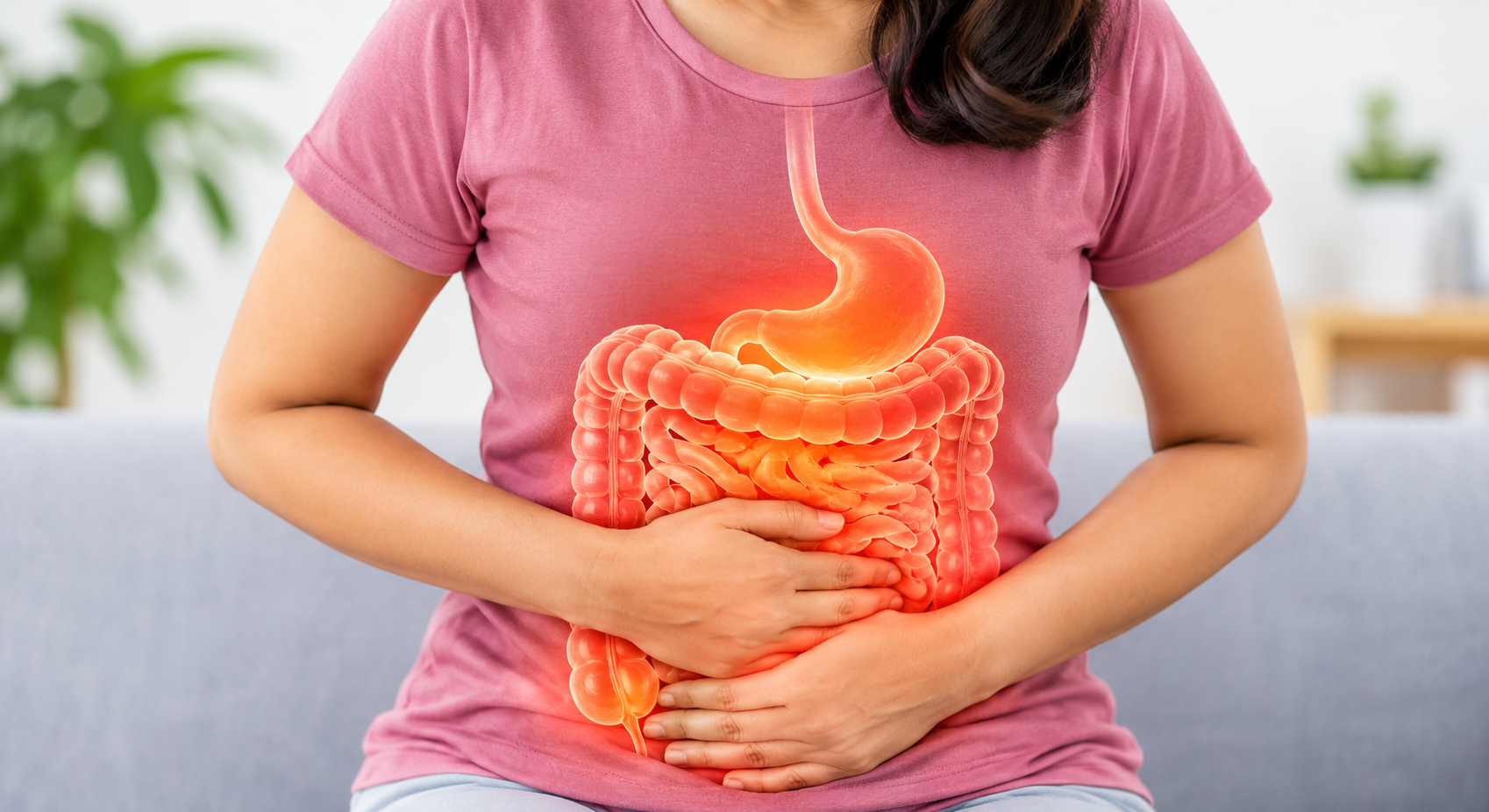
What Are Gastrointestinal Diseases?
Gastrointestinal diseases are medical conditions that affect the digestive tract and related organs. They can develop due to infections, inflammation, dietary factors, changes in digestive function, genetics or other underlying health conditions.
Some conditions affect how the digestive system functions, while others cause visible changes or damage to the digestive organs. Depending on the condition, symptoms may be temporary or continue for a longer period.
7 Common Gastrointestinal Diseases
1. Gastroesophageal Reflux Disease (GERD)
GERD occurs when stomach acid repeatedly flows back into the food pipe, causing irritation. It is commonly associated with frequent acid reflux and heartburn.
Common symptoms include:
Burning sensation in the chest
Sour or bitter taste in the mouth
Regurgitation of stomach contents
Difficulty swallowing
Persistent cough in some people
Treatment may include prescribed acid-reducing medicines, dietary changes and lifestyle modifications. Persistent symptoms may require further evaluation, including an upper GI endoscopy.
2. Gastritis
Gastritis is inflammation of the stomach lining. It may develop suddenly or gradually over time. Common causes include Helicobacter pylori (H. pylori) infection, frequent use of certain pain-relieving medicines and excessive alcohol consumption.
Common symptoms include:
Upper abdominal discomfort
Nausea or vomiting
Bloating
Indigestion
Feeling full quickly
Treatment depends on the underlying cause. Doctors may recommend medicines to reduce stomach acid, treatment for H. pylori infection when present and appropriate dietary changes.
3. Irritable Bowel Syndrome (IBS)
IBS is a functional digestive disorder that affects how the intestines work. It can cause recurring abdominal discomfort and changes in bowel habits. Certain foods, stress and changes in routine may trigger symptoms in some people.
Common symptoms include:
Abdominal pain or cramps
Excessive gas and bloating
Constipation
Diarrhoea
Changes in bowel movements
IBS management may involve identifying food triggers, dietary adjustments, stress management and medicines to control specific symptoms. Treatment is personalised according to the individual's condition.
4. Peptic Ulcer Disease
Peptic ulcers are open sores that develop in the lining of the stomach or the upper part of the small intestine. H. pylori infection and long-term use of certain anti-inflammatory medicines are common causes.
Common symptoms include:
Burning stomach pain
Bloating
Nausea
Indigestion
Discomfort that may change after eating
Treatment may include acid-reducing medicines and antibiotics when an H. pylori infection is identified. Medical evaluation is important to prevent complications.
5. Inflammatory Bowel Disease (IBD)
Inflammatory Bowel Disease is a group of conditions involving long-term inflammation of the digestive tract. The two main types are Crohn's disease and ulcerative colitis.
Common symptoms include:
Persistent diarrhoea
Abdominal pain
Blood in the stool
Unexplained weight loss
Fatigue
Treatment depends on the type and severity of inflammation. Doctors may recommend medicines to control inflammation, nutritional support and, in selected cases, surgery.
6. Fatty Liver Disease
Fatty liver disease occurs when excess fat accumulates in the liver. It is commonly associated with obesity, diabetes, high cholesterol and other metabolic conditions. Many people may not experience noticeable symptoms during the early stages.
Possible symptoms include:
Tiredness
Discomfort in the upper right abdomen
General weakness
Diagnosis may involve liver function tests, ultrasound and other assessments. Treatment usually focuses on managing associated health conditions, improving dietary habits and maintaining a healthy weight.
7. Gallstones
Gallstones are hardened deposits that develop inside the gallbladder. They may remain without causing symptoms, but some can block the bile ducts and lead to pain or complications.
Common symptoms include:
Sudden pain in the upper right abdomen
Pain after eating, particularly fatty meals
Nausea and vomiting
Pain that may spread to the back or shoulder
Treatment depends on the presence of symptoms and complications. Doctors may recommend monitoring or surgical removal of the gallbladder when necessary.
When Should You Consult a Gastroenterologist?
Occasional indigestion or bloating may happen to anyone. However, persistent or recurring digestive symptoms should not be ignored.
Consider consulting a gastroenterologist if you experience:
Frequent abdominal pain or discomfort
Persistent acidity or heartburn
Repeated vomiting
Long-lasting constipation or diarrhoea
Difficulty swallowing
Unexplained weight loss
Blood in your stool or rectal bleeding
Severe abdominal pain, vomiting blood, black or tarry stools, or signs of dehydration require urgent medical attention.
What Are the Diagnosis and Treatment Options for Gastrointestinal Diseases?
The diagnosis of gastrointestinal conditions begins with a review of medical history, symptoms and physical examination. Depending on the suspected condition, doctors may recommend blood tests, stool tests, ultrasound scans, upper GI endoscopy or colonoscopy.
Gastroenterology Treatment depends on the specific disease and its severity. Treatment options may include medication, dietary changes, lifestyle modifications and endoscopic procedures. Some conditions may require surgical intervention.
At Iswarya Hospital, Chennai, gastroenterology services include the evaluation and management of stomach pain, GERD, jaundice, fatty liver and rectal bleeding. Available procedures include upper GI endoscopy, colonoscopy, ERCP, endoscopic ultrasound and advanced therapeutic endoscopic procedures. Surgical care is also available for conditions requiring an operation.
How Can You Maintain Good Digestive Health?
Simple everyday habits can support digestive health:
Eat a balanced diet with adequate fibre.
Drink sufficient water throughout the day.
Include regular physical activity in your routine.
Maintain consistent meal timings.
Practise good food hygiene.
Avoid smoking and excessive alcohol consumption.
Seek medical advice for persistent digestive symptoms.
Conclusion
Gastrointestinal diseases such as GERD, gastritis, IBS, peptic ulcers, inflammatory bowel disease, fatty liver and gallstones can affect people in different ways. Recognising symptoms and receiving an appropriate diagnosis can help prevent complications and support better digestive health.
If you are looking for Gastro Treatment in Chennai, Iswarya Hospital provides gastroenterology services, diagnostic procedures and specialist-led treatment options. Consult a gastroenterologist to understand your symptoms and receive a treatment plan based on your individual health needs.
Tags:
Consult Our Medical Gastroenterology & Hepatology Specialists
Book an appointment with our expert team at Iswarya Hospital, OMR Chennai.