Book an Appointment
Book a Callback
PCOS is Now PMOS: What Does This Mean for Women?
Medically reviewed by
Dr. Manipriya A
Obstetrics & Gynecology · Iswarya Hospital
PCOS is now being referred to as PMOS (Polyendocrine Metabolic Ovarian Syndrome) by experts worldwide. While the condition itself has not changed, the new name better reflects its impact on hormones, metabolism, fertility, and overall health. Learn what this proposed change means, why it matters, and the symptoms women should never ignore.
For years, millions of women around the world have known this condition as Polycystic Ovarian Syndrome (PCOS). However, experts and international organizations have recently proposed a new name — Polyendocrine Metabolic Ovarian Syndrome (PMOS).
According to Dr. Manipriya R. Arumuthuvel, Consultant – Reproductive Medicine, Obstetrics & Gynaecology, Iswarya Fertility Centre, Adyar, this change aims to better represent the true nature of the condition and improve awareness about its broader health effects.
What Exactly Is Changing?
The condition itself has not changed, nor have its core diagnostic features.
What is changing is the terminology used to describe it.
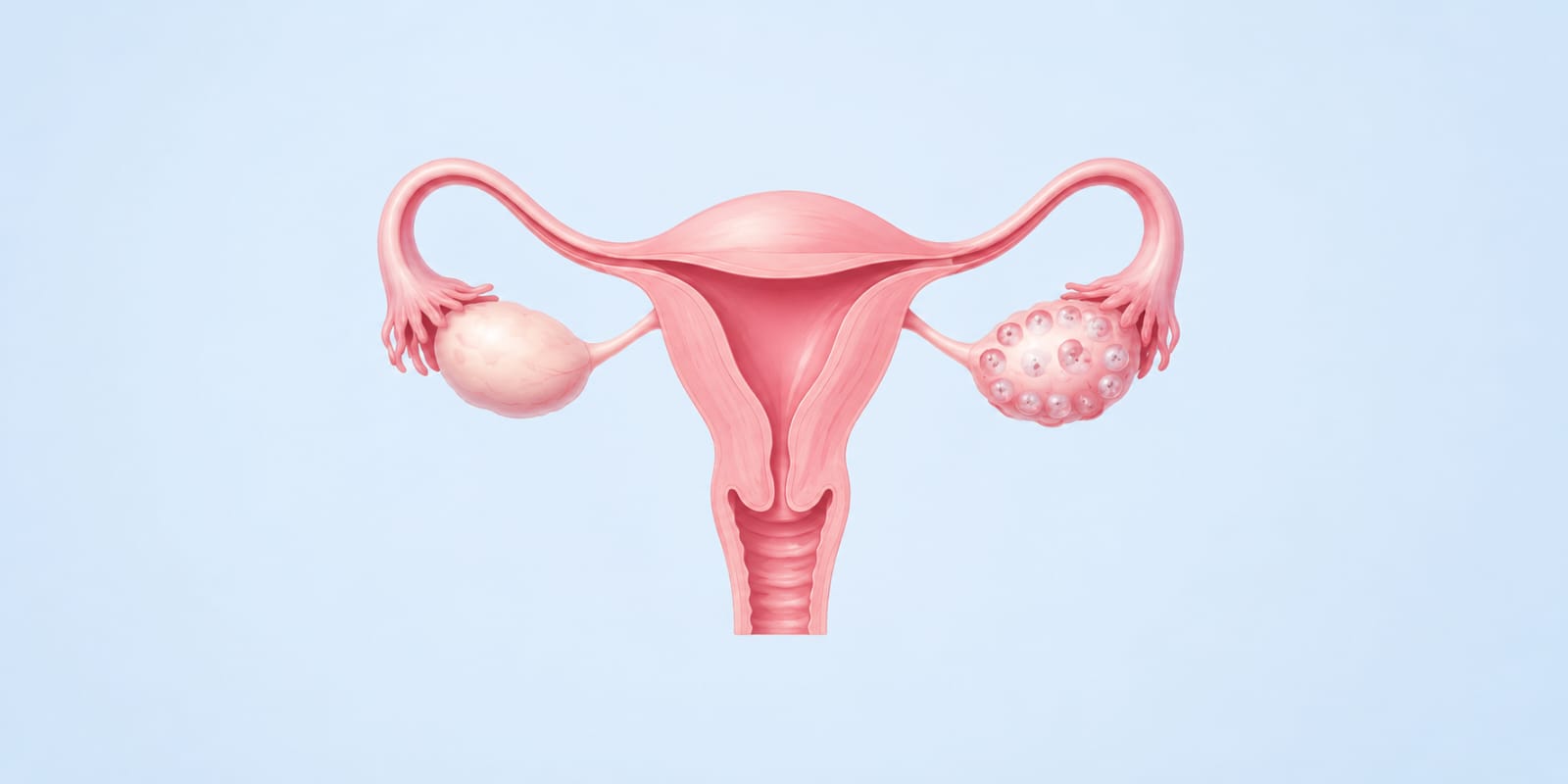
Many women with PCOS do not actually have multiple ovarian cysts. More importantly, the condition affects much more than the ovaries. It influences:
Hormonal balance
Metabolism
Fertility
Long-term health
The proposed name PMOS reflects this broader picture more accurately and helps people understand that the condition is not solely an ovarian disorder.
Why Was There a Need to Rename PCOS?
The term "Polycystic Ovarian Syndrome" has often led to misunderstandings.
Many women assume the condition is only related to ovarian cysts or fertility problems. In reality, PCOS affects several systems within the body.
The new name recognizes PMOS as a hormonal and metabolic disorder, rather than just an ovarian condition.
Women living with the condition have also played an important role in advocating for this change, helping bring attention to the wider health challenges associated with it.
What Does PMOS Tell Us That PCOS Didn't?
The proposed name PMOS highlights three important aspects of the condition:
1. Polyendocrine
Multiple hormone systems in the body are involved, not just reproductive hormones.
2. Metabolic
Metabolic health and insulin resistance are central features of the condition and can significantly impact overall wellbeing.
3. Ovarian
The ovaries are affected, but they are only one part of a much larger health picture.
This new terminology encourages both healthcare professionals and patients to look beyond fertility concerns and focus on overall health management.
How Common Is PMOS in India?
PMOS, previously known as PCOS, is extremely common.
Studies suggest that approximately 1 in 5 women in some Indian populations may be affected by the condition.
The metabolic component of PMOS is particularly important in India, where early diagnosis and lifestyle interventions can play a major role in improving long-term health outcomes.
What Symptoms Should Women Watch For?
The symptoms can vary from person to person, but common signs include:
Irregular menstrual periods
Difficulty conceiving
Excessive facial or body hair growth
Acne
Weight gain
Thinning scalp hair
Difficulty losing weight
It is important to remember that some women may continue to have regular periods while still experiencing underlying metabolic issues.
Because symptoms can be different for every woman, timely medical evaluation is essential.
What Message Should Women Take Away From This Change?
The condition itself has not changed — our understanding of it has evolved.
The shift from PCOS to PMOS reflects a more complete understanding of a disorder that affects hormones, metabolism, reproductive health, and overall wellbeing.
The goal of this proposed name change is not simply to introduce a new term. Instead, it aims to improve awareness, encourage earlier diagnosis, and support more comprehensive care for women.
Whether it is called PCOS or PMOS, the focus remains the same:
Helping women achieve better health through timely diagnosis, appropriate treatment, lifestyle modifications, and long-term support.
Key Takeaway
PMOS is the proposed new name for PCOS because it more accurately reflects the condition's effects on multiple hormone systems, metabolism, fertility, and overall health. Understanding the broader impact of this condition can help women seek timely care, make informed lifestyle choices, and improve their long-term wellbeing.

Consult a Specialist
Dr. Manipriya R
MBBS, MS (Obstetrics & Gynaecology)
Obstetrics & Gynecology · 11+ Years Experience
Tags:
Consult Our Obstetrics & Gynecology Specialists
Book an appointment with our expert team at Iswarya Hospital, OMR Chennai.