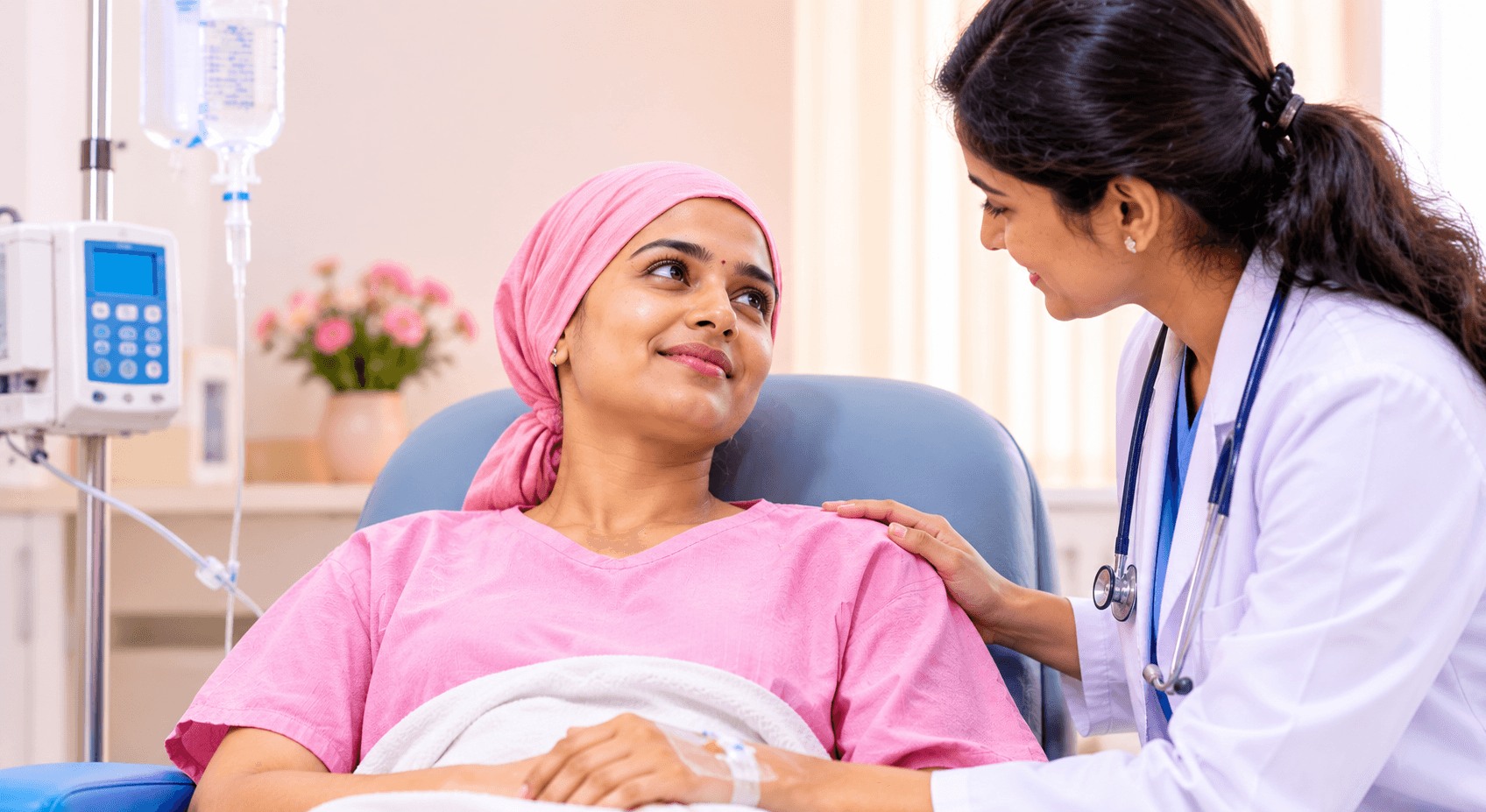
How Long Does It Take to Recover From Chemotherapy?
Learn how long it takes to recover from chemotherapy, including common side effects, recovery stages and factors that affect healing. Discover practical tips for managing fatigue, improving strength and maintaining good health with proper Cancer Care and follow-up at Iswarya Hospital.
Completing chemotherapy is an important milestone in the cancer treatment journey. However, many patients wonder how long it will take to regain their energy, appetite and strength after their final chemotherapy session. Some people begin feeling better within a few weeks, while others may need several months or longer to recover.
Chemotherapy works by destroying rapidly growing cancer cells, but it can also affect healthy cells. This is why side effects such as tiredness, hair loss, nausea and changes in appetite may continue even after treatment ends. The recovery period varies depending on the type of cancer, medicines used, number of chemotherapy cycles and the patient's overall health.
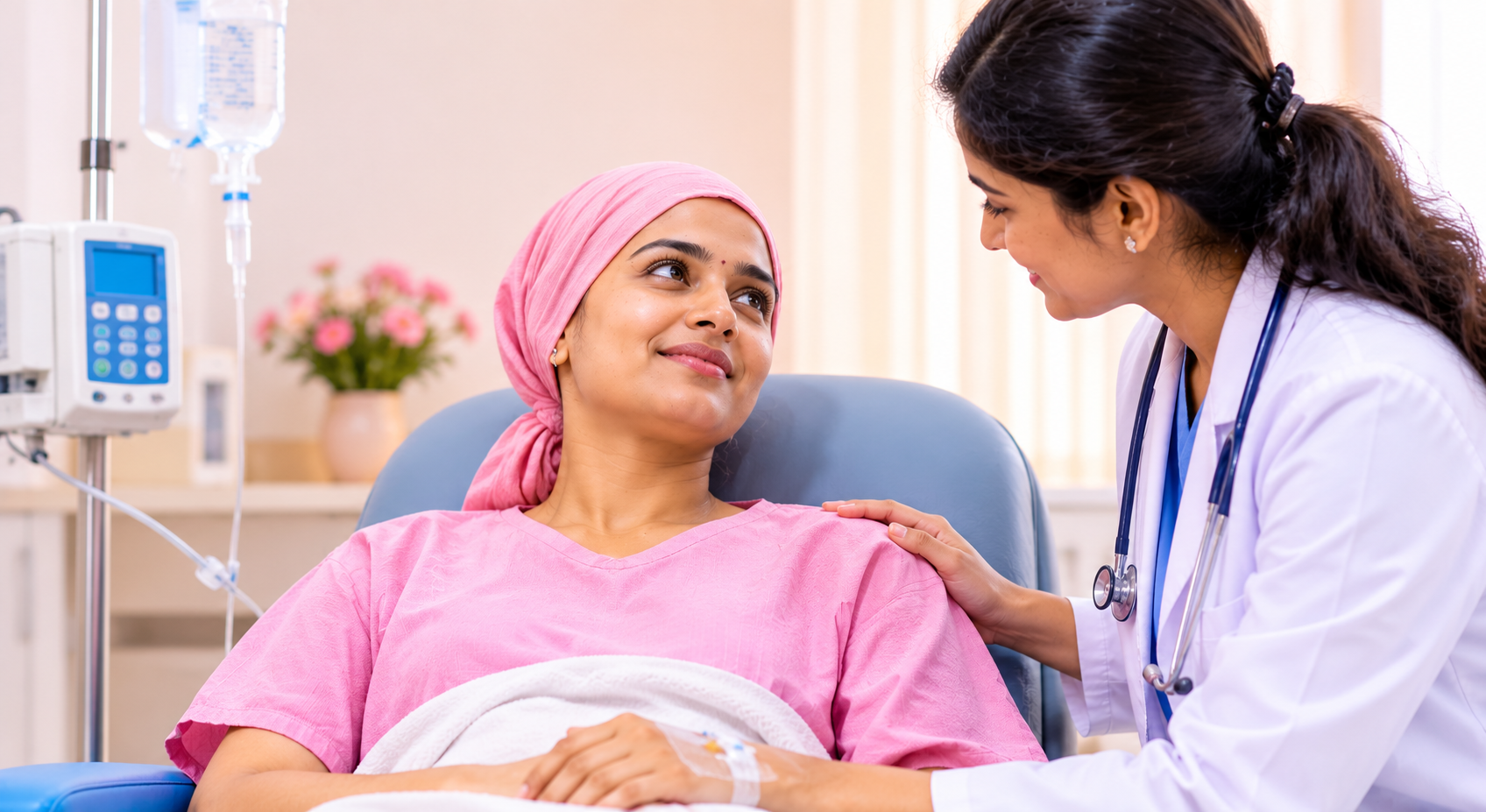
How Long Does It Take to Recover After Chemotherapy?
There is no fixed recovery period for everyone. Many short-term side effects gradually improve within a few weeks after the final session. However, complete recovery can take six months to a year or sometimes longer, particularly after intensive treatment.
Some patients notice improvements in their appetite, energy and daily activities within the first few months. Others may continue experiencing fatigue, nerve-related symptoms or concentration difficulties for a longer period.
Recovery also depends on whether the patient has received additional treatments such as surgery or radiation therapy. Your oncologist can provide a more realistic recovery estimate based on your treatment plan and medical condition.
Chemotherapy Recovery Timeline: What to Expect
Recovery generally happens gradually. The following timeline is a broad guide rather than a prediction for every patient.
First Few Weeks After Chemotherapy
During the first few weeks, the body begins recovering from the effects of chemotherapy. Some patients may continue experiencing tiredness, nausea, mouth sores, reduced appetite and changes in taste.
Blood cell counts may also take time to return to normal. During this period, patients may need extra precautions to reduce the risk of infections. Rest, adequate hydration, nutritious food and regular communication with the medical team are important.
One to Three Months After Treatment
Many patients begin noticing improvements in appetite, digestion and energy levels during this period. Hair may start growing back, although its texture or colour may initially be different.
Some people gradually return to their usual household activities or work routines. However, tiredness and difficulty concentrating may continue. It is important to increase daily activities slowly rather than trying to resume everything immediately.
Three to Six Months After Treatment
Physical strength and stamina may continue improving over the next few months. Patients may find it easier to manage daily activities, maintain a regular eating routine and participate in light exercise.
Hair growth may become more noticeable, and some treatment-related side effects may reduce. However, certain symptoms, particularly nerve-related problems, can take longer to improve.
Six Months to One Year and Beyond
Many patients feel closer to their usual routine during this period. However, some long-term effects, such as fatigue, numbness, tingling or memory difficulties, may continue.
Certain chemotherapy medicines can also cause lasting effects that require regular medical monitoring. Follow-up appointments remain important even when a patient feels well.
Common Side Effects That May Continue After Chemotherapy
The duration of side effects differs from person to person. Some commonly experienced effects include:
Fatigue: Feeling tired or weak may continue for months. Gradually increasing physical activity and maintaining a balanced routine can help.
Hair loss: Hair often begins growing back within a few months, although regrowth varies.
Changes in appetite and taste: Food may taste different, and appetite may take time to return.
Nerve damage: Numbness, tingling or burning sensations in the hands and feet may persist after certain chemotherapy medicines.
Memory and concentration difficulties: Some patients experience difficulty remembering information or concentrating, sometimes called chemo brain.
Emotional changes: Anxiety, sadness and fear of cancer recurrence may continue even after active treatment ends.
Discuss persistent or worsening symptoms with your oncologist so that appropriate support can be provided.
What Factors Affect Recovery Time After Chemotherapy?
Several factors influence how quickly a person recovers:
Type of chemotherapy: Different medicines affect healthy cells in different ways and may cause different side effects.
Number of treatment cycles: Patients receiving longer or more intensive treatment may need additional recovery time.
Cancer type and stage: The underlying condition and treatment requirements can influence recovery.
Age and general health: Existing medical conditions, physical fitness and nutritional status may affect healing.
Other cancer treatments: Surgery, radiation therapy or additional medicines can influence the overall recovery period.
How Can You Support Recovery After Chemotherapy?
Healthy daily habits can support the body's recovery. Follow your oncologist's advice and consider these general measures:
Eat balanced meals: Include protein-rich foods such as eggs, dal, milk, curd, paneer, fish or chicken, along with vegetables and fruits, according to your dietary needs.
Stay hydrated: Drink sufficient water unless your doctor has advised fluid restrictions.
Get enough rest: Maintain a regular sleep routine and take breaks when you feel tired.
Start gentle physical activity: Short walks and light exercises may help improve stamina. Increase activity gradually with medical guidance.
Look after emotional health: Speak with family members, counsellors or support groups if you experience anxiety or emotional stress.
Attend follow-up appointments: Regular check-ups help your medical team monitor recovery and identify any concerns early.
When Should You Contact Your Oncologist?
Some symptoms require prompt medical attention, especially when the immune system is recovering. Contact your cancer care team immediately if you develop a fever, chills or signs of infection. Follow the temperature threshold provided by your hospital; a temperature of 38°C (100.4°F) or higher during or soon after chemotherapy generally requires urgent medical advice.
Also seek medical assessment for unusual bleeding, worsening pain, persistent vomiting, difficulty breathing or severe weakness. Do not wait for your next scheduled appointment if symptoms are concerning.
Chemotherapy and Cancer Care at Iswarya Hospital
Recovery after chemotherapy is an individual process that requires appropriate medical guidance and follow-up. Regular assessment helps oncologists monitor side effects, review treatment response and recommend supportive care when needed.
At Iswarya Hospital, the Oncology Department provides cancer care through medical oncology, surgical oncology and radiation oncology services. Treatment plans are developed according to the patient's cancer type, stage, medical condition and individual needs.
If you or a family member has questions about chemotherapy recovery, consulting an experienced Oncologist can help you understand the next steps. With appropriate Cancer Treatment, supportive care and regular monitoring, patients can work towards improving their health and quality of life.
Disclaimer: This article is for general educational purposes only. Cancer treatment decisions should be made with a qualified oncology specialist based on individual medical reports.
Tags:
Related conditions and procedures
Consult Our Oncology / Cancer Centre Specialists
Book an appointment with our expert team at Iswarya Hospital, OMR Chennai.
Explore our Oncology / Cancer Centre services →