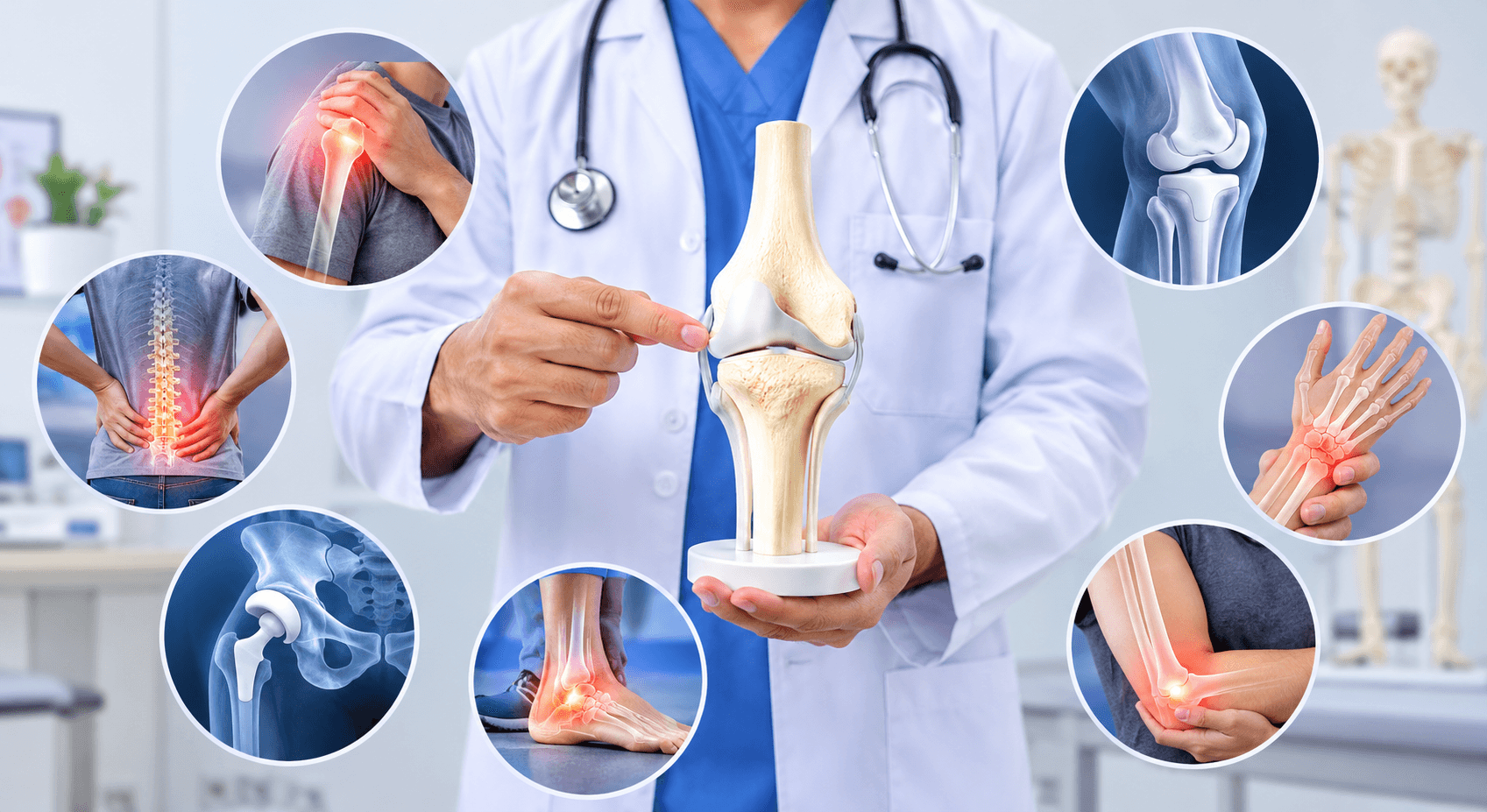
What Are the 10 Most Common Orthopedic Surgeries?
Explore 10 common orthopedic surgeries, including knee replacement, hip replacement, arthroscopy, ligament reconstruction, fracture fixation and spine surgery. Understand when surgical treatment may be recommended and discover orthopedic care options at Iswarya Hospital, Chennai. Learn about Orthopedics Treatment in Chennai for joint, bone and spine conditions.
orthopedic conditions can affect the bones, joints, muscles, ligaments, tendons and spine. While many problems improve with medication, physiotherapy and lifestyle changes, some may require surgery to reduce pain, restore movement and improve daily activities.
orthopedic surgery includes several procedures, ranging from minimally invasive keyhole operations to complex joint replacement and fracture reconstruction. Understanding these procedures can help patients know when surgical treatment may be considered.
Here are 10 commonly performed orthopedic surgeries and the conditions they help treat.
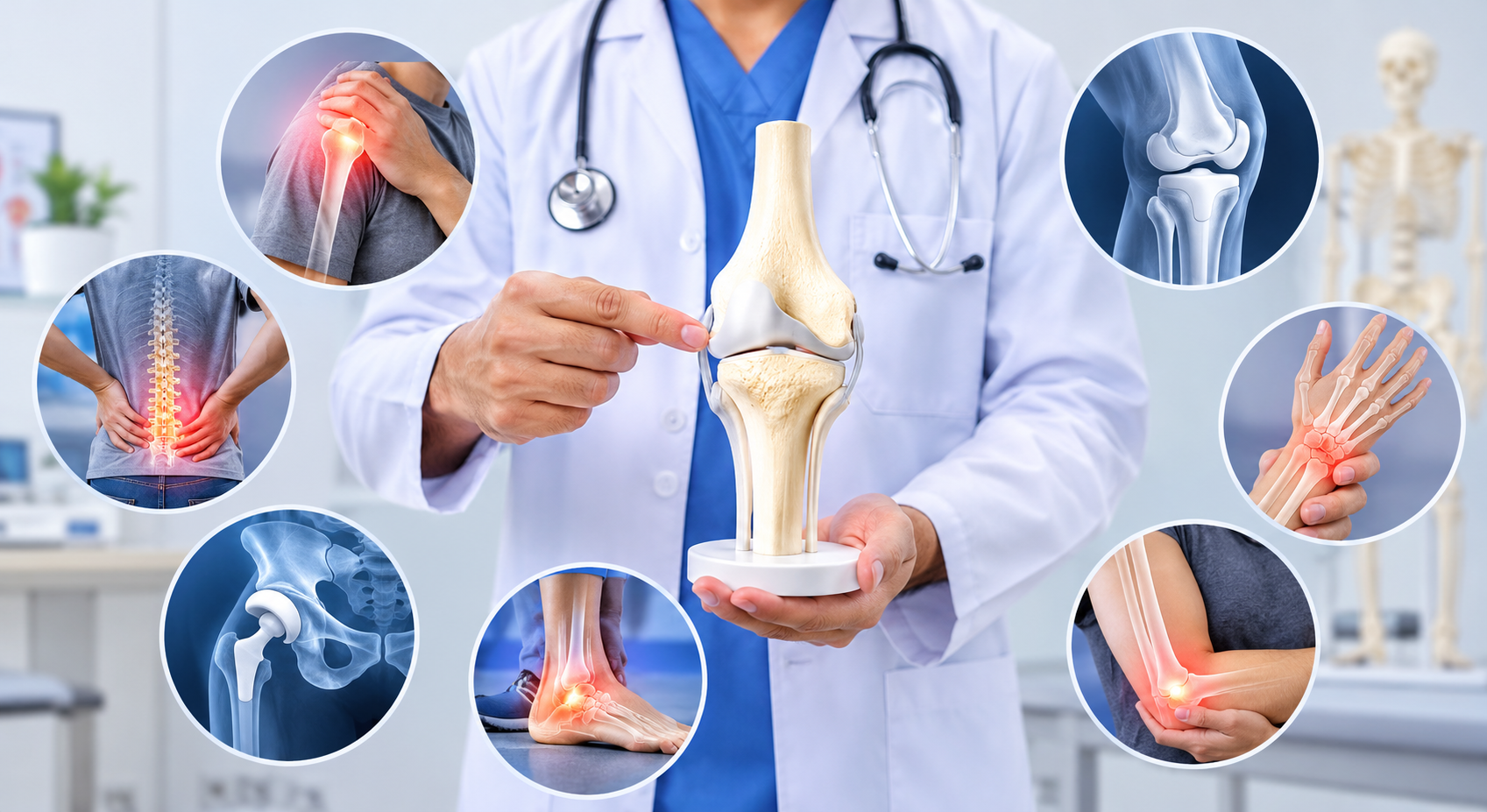
1. Total Knee Replacement
Total knee replacement is commonly recommended for people with severe knee arthritis or advanced joint damage. During the procedure, damaged joint surfaces are replaced with artificial components to reduce pain and improve knee movement.
Robotic-assisted knee replacement may help surgeons plan and perform the procedure with greater precision. The choice between traditional and robotic-assisted surgery depends on the patient's condition and clinical assessment.
2. Total Hip Replacement
Hip replacement is performed when the hip joint is severely damaged due to arthritis, avascular necrosis or certain fractures. The damaged joint surfaces are replaced with artificial components to improve stability and mobility.
Depending on the condition, a patient may require total or partial hip replacement.
3. Knee Arthroscopy
Knee arthroscopy is a minimally invasive procedure in which a small camera and specialised instruments are inserted through small incisions around the knee.
It may be used to examine and treat selected problems involving the cartilage, meniscus and other joint structures. Recovery depends on the specific procedure performed.
4. ACL and PCL Reconstruction
The anterior cruciate ligament (ACL) and posterior cruciate ligament (PCL) help stabilise the knee. Sports injuries, sudden twisting movements or accidents can damage these ligaments.
Ligament reconstruction uses a graft to restore knee stability when surgery is appropriate. It is often performed using arthroscopic techniques.
5. Meniscus Repair and Surgery
The meniscus is a cartilage structure that helps cushion the knee joint. Tears may occur during sports activities, twisting movements or age-related degeneration.
Depending on the type and location of the tear, surgeons may recommend meniscus repair or partial meniscectomy to address the damaged tissue.
6. Rotator Cuff Repair
The rotator cuff is a group of tendons that supports shoulder movement and stability. Tears can cause shoulder pain, weakness and difficulty lifting the arm.
Rotator cuff repair is often performed through shoulder arthroscopy, using specialised instruments to repair the damaged tendon.
7. Fracture Fixation Surgery
Severe or displaced fractures may require surgery to bring broken bone pieces into the correct position and stabilise them.
orthopedic surgeons may use metal plates, screws, intramedullary nails or external fixators, depending on the fracture location and severity. The aim is to support proper bone healing and restore function.
8. Carpal Tunnel Release
Carpal tunnel syndrome occurs when the median nerve is compressed at the wrist. It can cause numbness, tingling, pain and weakness in the hand.
Carpal tunnel release surgery reduces pressure on the nerve by dividing the ligament forming the roof of the carpal tunnel. It may be performed using open or endoscopic techniques.
9. Spine Decompression Surgery
Spine decompression procedures may be recommended for selected patients with spinal canal narrowing or nerve compression. Depending on the condition, surgery may involve removing a small amount of bone or disc material to relieve pressure on nerves.
The procedure may help address symptoms such as persistent nerve pain, numbness or weakness when non-surgical treatment is insufficient.
10. Spinal Fusion Surgery
Spinal fusion is a procedure that joins two or more vertebrae to provide stability in selected spinal conditions. Surgeons may use bone grafts, screws and rods to support the fusion process.
It may be considered for certain cases of spinal instability, deformity or degenerative conditions after careful evaluation.
When Is orthopedic Surgery Necessary?
Not every bone, joint or muscle problem requires surgery. Doctors usually consider medication, physiotherapy, activity modification and other non-surgical treatments first when appropriate.
Surgery may be recommended when symptoms remain significant, joint damage is advanced, a fracture requires stabilisation or a structural problem affects movement and daily activities.
Orthopedics Treatment at Iswarya Hospital, Chennai
At Iswarya Hospital, OMR, Chennai, the Orthopedics department provides care for joint conditions, sports injuries, fractures and spine-related problems. Available procedures include robotic-assisted knee replacement, hip replacement, arthroscopy, ligament reconstruction, fracture fixation and selected spine surgeries.
The orthopedic team evaluates each patient and recommends suitable treatment based on the condition, medical history and recovery needs. Minimally invasive procedures and post-surgical physiotherapy are also part of the hospital's orthopedic care services.
Patients looking for Orthopedics Treatment in Chennai can consult the specialists at Iswarya Hospital to understand their treatment options.
Conclusion
The 10 procedures discussed above address different orthopedic conditions, from joint damage and sports injuries to fractures and spinal problems. The most appropriate treatment depends on the diagnosis, severity of symptoms and overall health. Consulting an orthopedic specialist can help determine whether surgery or non-surgical care is the right approach.

Consult a Specialist
Dr. Vijayaraj Kannan
MBBS, MS (Orthopaedics)
Orthopedics · 12+ Years Experience
Tags:
Consult Our Orthopedics Specialists
Book an appointment with our expert team at Iswarya Hospital, OMR Chennai.
Explore our Orthopedics services →