
Piles Symptoms, Causes & Best Treatment Options: When Should You See a Doctor?
Medically reviewed by
Dr. Durai RaviGeneral & Laparoscopic Surgery · Iswarya Hospital · Last updated 28 May 2026
Piles, also known as hemorrhoids, are a common condition that can cause pain, swelling, itching, and bleeding during bowel movements. Many people ignore early piles symptoms due to embarrassment, which can lead to worsening discomfort and complications. Understanding the causes of piles, early warning signs, and the best treatment options can help you seek timely medical care and avoid severe problems. From lifestyle changes and medications to advanced laser treatment for piles, modern treatment options offer safe and effective relief.
What Are Piles?
Piles, medically called hemorrhoids, are swollen veins in the lower rectum and anus. They can develop internally inside the rectum or externally around the anus. Piles are one of the most common anorectal conditions affecting adults of all age groups.
While mild piles may improve with simple lifestyle modifications, severe or untreated hemorrhoids can lead to persistent pain, bleeding, and difficulty during bowel movements.
Common Symptoms of Piles
Recognizing early piles symptoms is important for timely treatment. Common signs include:
Bleeding during or after passing stools
Pain or burning sensation while sitting
Itching or irritation around the anal area
Swelling near the anus
Feeling of incomplete bowel emptying
Painful lump around the anus
Mucus discharge after bowel movements
If you notice blood in stools frequently, consult a piles doctor immediately to rule out other gastrointestinal conditions.
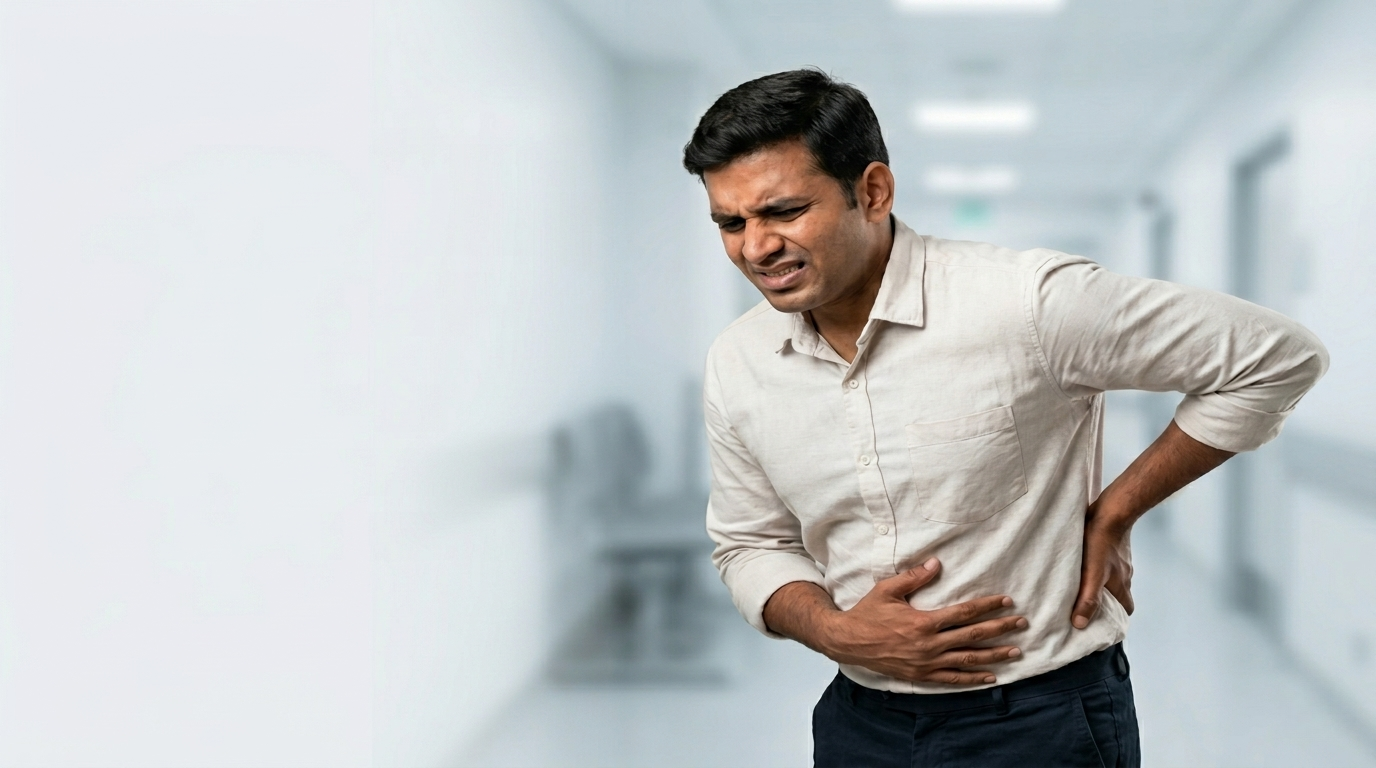
Causes of Piles
Several lifestyle and health-related factors can increase the risk of developing piles.
Common Causes Include:
Chronic constipation
Straining during bowel movements
Sitting for long hours
Low-fiber diet
Obesity
Pregnancy
Lack of physical activity
Frequent heavy lifting
Chronic diarrhea
Poor bowel habits and unhealthy dietary patterns are major contributors to hemorrhoids.
Types of Piles
Internal Piles
Located inside the rectum and usually painless but may cause bleeding.
External Piles
Develop under the skin around the anus and can cause pain, itching, and swelling.
Thrombosed Piles
Occur when a blood clot forms inside external hemorrhoids, leading to severe pain and inflammation.
Best Treatment Options for Piles
Modern piles treatment depends on the severity of symptoms and stage of hemorrhoids.
1. Lifestyle & Dietary Changes
For mild piles, doctors may recommend:
High-fiber foods
Increased water intake
Regular exercise
Avoiding prolonged sitting
Healthy bowel habits
2. Medications
Creams, ointments, stool softeners, and anti-inflammatory medicines may help reduce pain and swelling.
3. Minimally Invasive Procedures
For moderate piles, treatments include:
Rubber band ligation
Sclerotherapy
Infrared coagulation
4. Laser Treatment for Piles
Laser piles treatment is one of the most advanced and preferred options today.
Benefits of Laser Treatment:
Minimally invasive procedure
Less pain and bleeding
Faster recovery
Short hospital stay
Reduced risk of recurrence
Many patients prefer laser treatment for piles because it allows quicker return to normal activities.
5. Surgical Treatment
Severe or recurrent piles may require hemorrhoidectomy surgery.
When Should You See a Doctor for Piles?
Consult a doctor immediately if you experience:
Persistent bleeding
Severe pain
Difficulty sitting
Large painful swelling
Recurrent piles symptoms
No improvement with home remedies
Early diagnosis helps prevent complications and ensures effective treatment.
Tips to Prevent Piles
You can reduce the risk of piles by:
Eating a fiber-rich diet
Drinking enough water
Exercising regularly
Avoiding excessive straining
Not delaying bowel movements
Maintaining a healthy weight
Healthy lifestyle habits play a major role in preventing hemorrhoids.
Conclusion
Piles are common but treatable. Ignoring symptoms such as bleeding, pain, or swelling can worsen the condition over time. With early diagnosis and advanced treatment options like laser piles surgery, patients can achieve faster relief and better quality of life. If you are experiencing symptoms of hemorrhoids, consult an experienced specialist for proper evaluation and personalized treatment.

Consult a Specialist
Dr. Durai Ravi
MBBS, MS (General Surgery), FIAGES, FMAS, FALS, FARIS, FACS (USA)
General & Laparoscopic Surgery · 15+ Years Experience
Tags:
Consult Our General & Laparoscopic Surgery Specialists
Book an appointment with our expert team at Iswarya Hospital, OMR Chennai.
Explore our General & Laparoscopic Surgery services →