Book an Appointment
Book a Callback
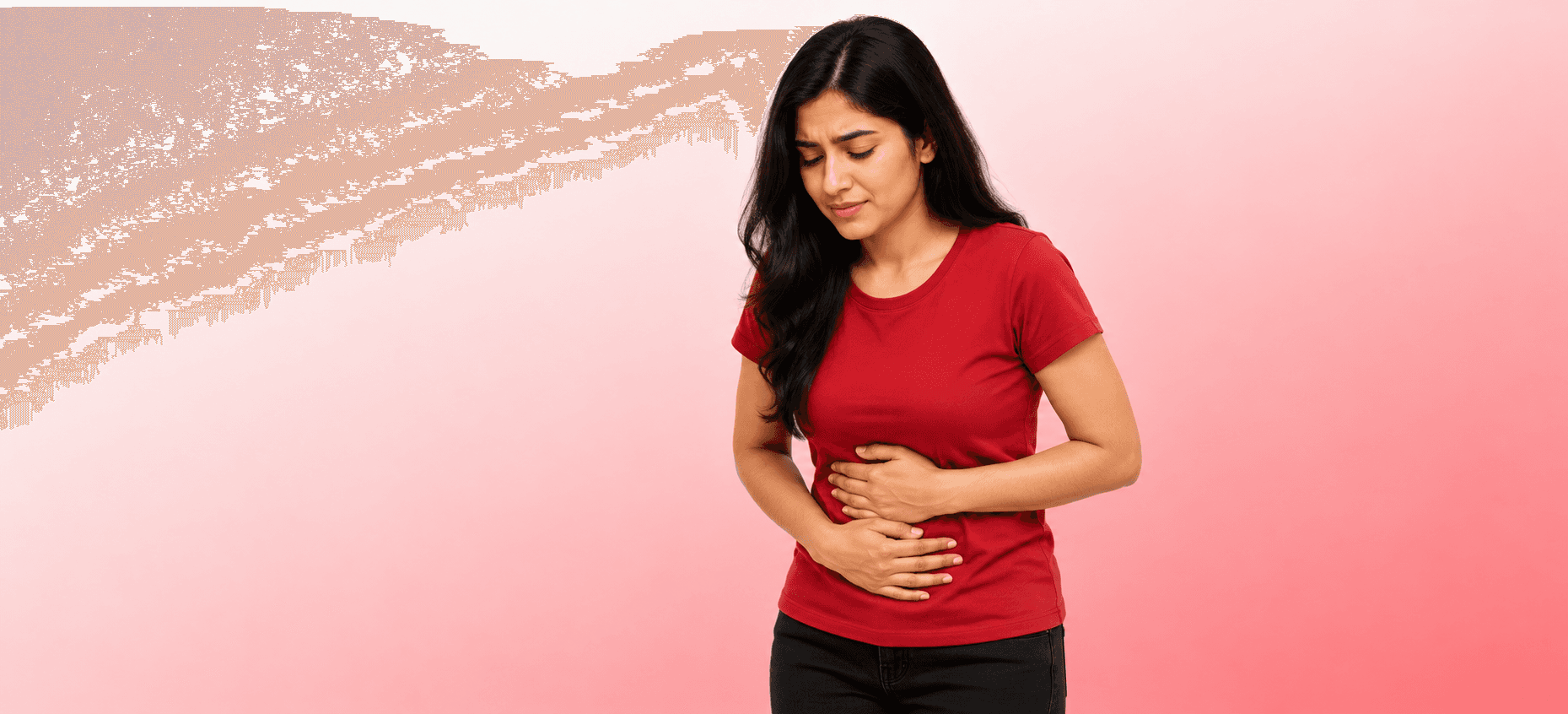
Endometriosis Unveiled: Navigating Pelvic Pain and Infertility with Expert Care
Medically reviewed by
Dr. Pavithra ThamizharasanMBBS, MD (General Medicine), PG Dip (Diabetes), MBA (Hospital Management) · Iswarya Hospital
Understand endometriosis, its symptoms, and modern treatment options for pelvic pain and infertility. Find expert care at Iswarya Hospital.
Endometriosis is a common, often painful, chronic condition affecting millions of women worldwide. It occurs when tissue similar to the lining inside the uterus (the endometrium) grows outside the uterus, leading to significant pelvic pain, heavy bleeding, and often, infertility. Despite its prevalence, endometriosis can be challenging to diagnose and manage, often causing years of suffering before proper treatment is found.
At Iswarya Hospital, we understand the profound impact endometriosis can have on a woman's life. Our dedicated Gynecology & Women's Health department is committed to providing comprehensive, compassionate, and cutting-edge care, empowering you to navigate this condition with expertise and support. This article aims to unveil the complexities of endometriosis, guiding you through its symptoms, diagnosis, and the latest treatment approaches.
What Exactly is Endometriosis?
To understand endometriosis, it helps to first understand the endometrium. Each month, during a woman's menstrual cycle, the endometrium thickens in preparation for a potential pregnancy. If pregnancy doesn't occur, this lining breaks down and is shed from the body as a menstrual period.
With endometriosis, tissue that behaves like the endometrium grows outside the uterus. These growths, called implants, lesions, or nodules, most commonly occur on the:
- Ovaries
- Fallopian tubes
- Outer surface of the uterus
- Tissues lining the pelvis (peritoneum)
Less commonly, endometriosis can be found on the bowel, bladder, diaphragm, and in rare cases, even distant organs like the lungs or brain. Like the tissue inside the uterus, these external implants respond to hormonal changes during the menstrual cycle. They thicken, break down, and bleed. However, unlike menstrual blood, this blood has nowhere to go, leading to:
- Inflammation: The body's immune response to the trapped blood and tissue.
- Pain: Often severe and chronic, varying in intensity.
- Scar tissue (adhesions): Bands of fibrous tissue can form, causing organs to stick together.
- Cysts: Endometrial tissue on the ovaries can form blood-filled cysts called endometriomas or 'chocolate cysts'.
Recognizing the Signs: Symptoms of Endometriosis
The symptoms of endometriosis are incredibly varied, ranging from mild to debilitating, and don't always correlate with the extent of the disease. Some women with severe endometriosis may have no symptoms, while others with minimal disease experience intense pain. It's crucial to be aware of the potential signs:
Key Symptoms to Watch For:
- Painful Periods (Dysmenorrhea): This is the most common symptom. Pain can be much worse than typical period cramps, starting before, during, and lasting after menstruation. It may radiate to the lower back and legs.
- Chronic Pelvic Pain: Persistent pelvic pain that occurs outside of menstruation, often described as a deep, aching, or burning sensation.
- Painful Intercourse (Dyspareunia): Pain during or after sexual activity, often described as a deep thrusting pain.
- Pain with Bowel Movements or Urination: Especially during menstrual periods, this can manifest as pain, straining, or discomfort.
- Heavy or Irregular Bleeding: Excessive menstrual bleeding (menorrhagia), bleeding between periods (metrorrhagia), or periods that last longer than usual.
- Infertility or Difficulty Conceiving: Endometriosis can affect fertility in several ways, including causing inflammation, scar tissue that distorts anatomy, or affecting egg quality.
- Fatigue: Chronic pain and inflammation can lead to persistent tiredness and low energy levels.
- Gastrointestinal Symptoms: Bloating, nausea, constipation, diarrhea, especially around periods, which can be mistaken for Irritable Bowel Syndrome (IBS).
When to see a doctor: If you experience any of these symptoms, especially if they are persistent, worsening, or impacting your daily life, it's essential to consult a gynecologist. Early diagnosis and intervention can significantly improve outcomes and quality of life.
Unraveling the Mystery: Diagnosis and Causes
The exact cause of endometriosis is still not fully understood, but several theories exist:
- Retrograde Menstruation: The most widely accepted theory suggests that during menstruation, some menstrual blood containing endometrial cells flows backward through the fallopian tubes and into the pelvic cavity.
- Cellular Metaplasia: Non-uterine cells may transform into endometrial-like cells.
- Immune System Dysfunction: A weakened immune system may fail to recognize and destroy endometrial tissue growing outside the uterus.
- Genetic Factors: Endometriosis tends to run in families, suggesting a genetic predisposition.
How is Endometriosis Diagnosed?
Diagnosing endometriosis can be a multi-step process, as symptoms can mimic other conditions. A comprehensive approach is often required:
- Medical History and Symptom Review: Your doctor will ask detailed questions about your symptoms, menstrual cycle, pain patterns, and family history.
- Pelvic Exam: A physical examination may reveal tenderness, nodules, or fixed organs, though often, the exam is normal.
- Imaging Tests:
- Ultrasound: Transvaginal ultrasound can identify larger endometriomas (cysts on the ovaries) but often cannot detect smaller implants.
- MRI: Magnetic Resonance Imaging can provide more detailed images and may help identify deeper infiltrative endometriosis, especially in the bowel or bladder.
- Laparoscopy: Currently, laparoscopy is the gold standard for definitively diagnosing endometriosis. This minimally invasive surgical procedure involves making a small incision, usually near the navel, and inserting a thin, lighted tube with a camera (laparoscope). This allows the surgeon to visualize the pelvic organs, identify endometrial implants, and take biopsies for confirmation. During this procedure, the surgeon can also remove visible implants.
Navigating Treatment Options: A Holistic Approach
Treatment for endometriosis is highly individualized, depending on the severity of symptoms, the extent of the disease, age, and fertility goals. The primary goals are to manage pain, reduce disease progression, and improve fertility where desired.
1. Pain Management
- Medications:
- Pain Relievers: Over-the-counter NSAIDs (nonsteroidal anti-inflammatory drugs) like ibuprofen or naproxen can help manage mild pain.
- Hormonal Therapy: These treatments aim to reduce estrogen levels or block its effects, which can slow the growth of endometrial tissue and reduce pain. Options include birth control pills (oral contraceptives), progestin-only therapies (pills, injections, IUDs), and GnRH (gonadotropin-releasing hormone) agonists/antagonists.
- Surgical Intervention:
- Laparoscopic Excision or Ablation: During a diagnostic laparoscopy, visible endometrial implants, adhesions, and endometriomas can be removed (excision) or destroyed (ablation). Excision is often preferred as it aims to remove the entire lesion.
- Hysterectomy: In severe cases, particularly for women who have completed childbearing and have not found relief with other treatments, removal of the uterus (hysterectomy) and sometimes the ovaries may be considered. This is a significant decision and is typically a last resort.
2. Fertility Treatment
For women with endometriosis struggling with infertility, various options are available:
- Laparoscopic Surgery: Removal of implants and adhesions can improve the chances of natural conception.
- Assisted Reproductive Technologies (ART): Techniques such as In Vitro Fertilization (IVF) can be highly effective for many couples with endometriosis-related infertility.
3. Complementary and Lifestyle Approaches (Practical Tips)
While not a cure, these can significantly help manage symptoms and improve quality of life:
- Heat Therapy: Applying heat packs to the abdomen can soothe cramps.
- Dietary Changes: An anti-inflammatory diet (rich in fruits, vegetables, whole grains, omega-3 fatty acids, and low in red meat, processed foods, and trans fats) may help some women.
- Stress Management: Techniques like yoga, meditation, mindfulness, and deep breathing can reduce pain perception and improve well-being.
- Regular Exercise: Can help reduce inflammation and improve mood.
- Pelvic Floor Physiotherapy: Can address pelvic muscle dysfunction often associated with chronic pelvic pain.
- Acupuncture: Some women find relief from pain with acupuncture.
At Iswarya Hospital, our multidisciplinary team of gynecologists, pain management specialists, and fertility experts work collaboratively to create a personalized treatment plan that addresses your unique needs and goals.
Conclusion
Endometriosis is a complex and often debilitating condition, but it is not one you have to face alone. Understanding its nature, recognizing its diverse symptoms, and exploring the full spectrum of modern treatment options are crucial steps toward reclaiming your health and well-being. With timely diagnosis and personalized, expert care, managing symptoms and improving quality of life are entirely achievable.
If you suspect you have endometriosis or are struggling with its symptoms, we encourage you to seek a consultation with the specialists at Iswarya Hospital. Our commitment is to provide you with comprehensive care, from accurate diagnosis to advanced treatment and ongoing support, helping you navigate your journey with confidence and hope.
Please note: This article provides general information and is not a substitute for professional medical advice. Always consult with a qualified healthcare provider for diagnosis and treatment of any medical condition.
Tags:
Consult Our Gynecology & Women's Health Specialists
Book an appointment with our expert team at Iswarya Hospital, OMR Chennai.
Explore our Gynecology & Women's Health services →